
Talking books | Shinkou Shuukyou Omoide-Kyou
Listen to the radio waves. Blow it all up.

I remember the day I fell into noise. It was in high school and I was shuffling through the music on my iPod. Band after band and song after song that I loved — Killdozer, Yo La Tengo, Tom Waits and Tom Ze, Autechre, Joanna Newsom, Art Blakey and Arthur Russell — yet I couldn’t listen to any of it for more than a few seconds because for whatever reason, at that moment it all sounded exactly the same. The same patterns, the same instruments, the same rhythms and sounds and beliefs. All of music, built within the same confines, the same rules. I couldn’t stand it. It made my head ache. It made me want to scream.
And then there it was, sitting among all the stuff I loved, downloaded because I’d heard so much about it but hardly listened to: the Pulse Demon, one of Japanese harsh noise artist Merzbow’s most known albums; a wailing barrage of feedback, seemingly (to a me unaware of the genre) free of structure and instrument and composition and theory, of everything that the world had decided makes music music.
It was like breathing for the first time.
warning: loud!!
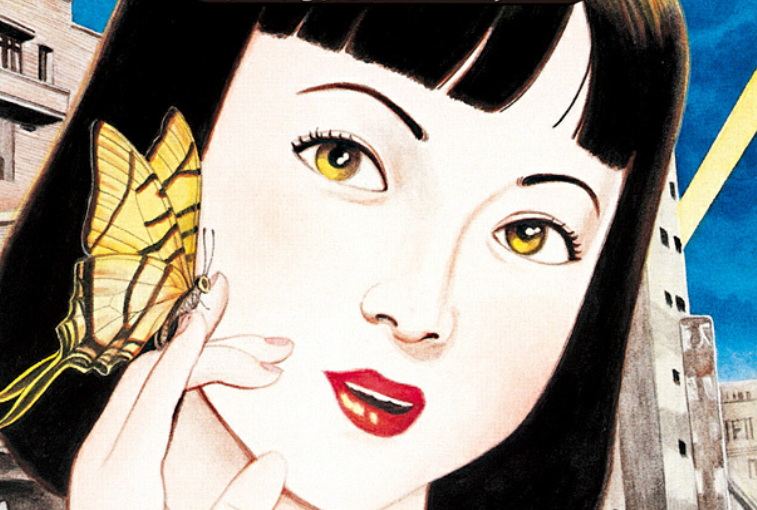
Shinkou Shuukyou Omoide-Kyou (roughly The New Religion Remembrance Sect, which I'll just call Omoide-Kyou) is a novel full of noise and yet distinctly lacking it. An influential work in the denpa-kei genre, directly influencing the titanically important visual novel Shizuku, Kenji Ohtsuki’s novel resembles the sensation of those brief moments after blasting harsh noise when all of the sudden the world becomes quieter and emptier. For a book that opens with a kid asking to borrow a pencil from a classmate only to have her hand him a boxcutter and tell him to just carve the notes into his wrists instead, it’s not nearly as mired in exaggerated chuunibyou (basically the Japanese equivalent of edgy) depravity as you'd expect. Sure, an assassin from an ultranationalistic right-wing religious sect uses poison radio waves to cause multiple mass suicide events, which makes what I just sound like the world's biggest lie, but also the vast majority of the novel exists in-between moments, in times of waiting and inaction — the stuff that never seem like they matter at the time but eventually reveal they were the only things that ever did.
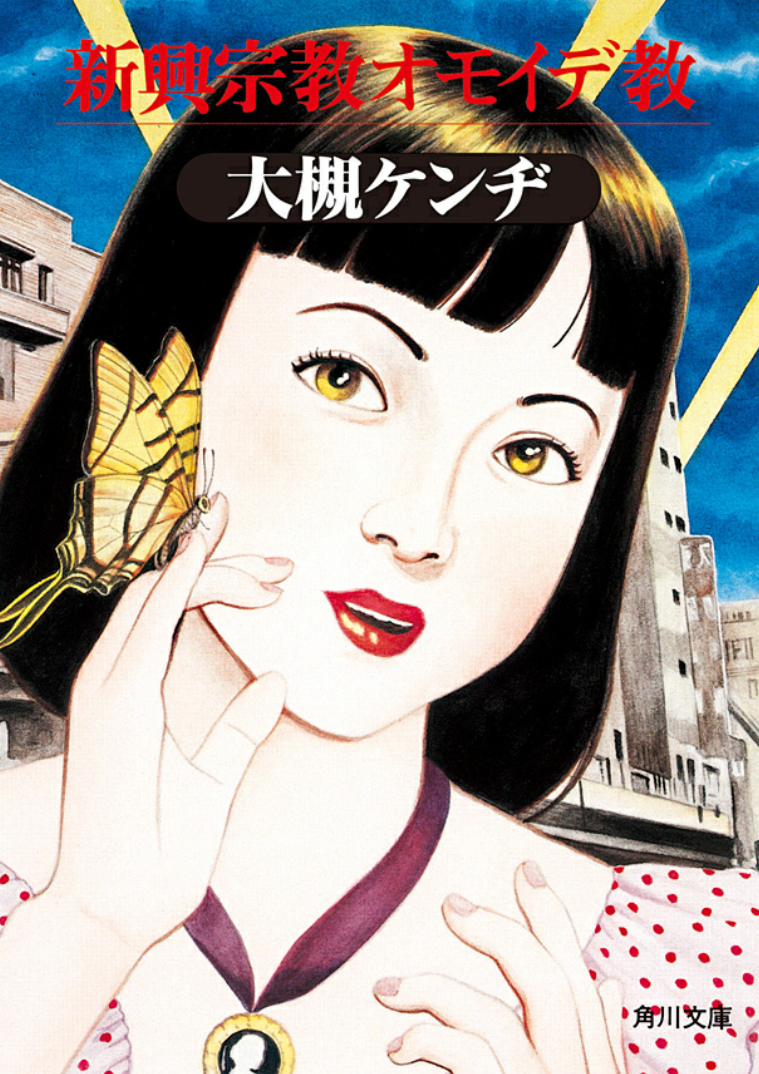
Following the largely passive, silent narrator, Jiro, as a fascination with a girl leads him into joining a new age cult where select members are capable of using a sort of magic called megma that can drive others insane, it’s actually a noise band that sits at the heart of Omoide-Kyou. More than half of the novel is wrapped up around an entirely different member of the cult than the girl Jiro joined for — an oddball middle aged man named Nakama and the memories his noise project, Jibun Box.
Back then, his music was loud and untamed, screams of feedback signaling emotions Nakama didn't quite know; the futile attempt to both express and to find that defines the creation of art; a blind struggle struggle to fill an unnamed emptiness.
Where he found what he was missing wasn't in the music itself though, but in a man: his group partner, Zon. Zon, quiet and reserved, Zon, called that because he might as well be a zombie the way he acted (or rather, doesn't act). He's like a walking personification of whatever it was Nakama was fighting against in himself, a mirror of that emptiness birthing noise.
Yamataka Eye with his early noise project Hanatarash
Until, that is, Zon takes the stage. Under the lights and with an audience, Nakama's screeching guitar behind him, Zon turns into some amalgamation of the exorcism-in-progress violence of early Yamataka Eye and the extreme exhibitionism of The Gerogerigegege screaming and contorting and attacking indiscriminately. At one pivotal moment, he tries to light a Molotov cocktail and throw it into the audience. And to Nakama, what he sees is beautiful. It's the answer. It's love.
It’s that world of performed violence as emotional expression that Nakama and Zon belong to, and it’s that world that Nakama found such a home and beauty and honesty in. And it’s the same for the author.
See, Kenji Ohtsuki isn't just an author. It's not even what he's most known for. He's a musician, most famous in Japan as singer and writer for the legendary (and extremely successful) oddball hard rockers Kinniku Shoujo Tai. He's someone who was mired in the extreme live culture of 80s and 90s Japanese music. In the afterward for Omoide-Kyou he talks about trying to make sense of what was going on then, both with himself – living both in the crowds of groups like The Stalin and on-stage embracing his own extremities – and with culture at large. This was world where groups would cut themselves onstage with razors, slaughter rabbits in the middle of a song, throw fresh pig heads at the audience, and take a blowtorch to the crowd. Why, Ohtsuki wonders in the afterward of the novel, do they all feel so possessed to do these things? Why is this the only way they know to express themselves?
Ohtsuki and his band the same year he’d release Omoide-Kyou
I was a nervous, anxious kid in small town Kansas back when I discovered noise — I wasn’t exactly overflowing with chances to see these extreme acts, and even if I could have I wouldn’t have because the idea of confronting it in reality felt too unsafe, but I found a real and rare comfort in their shows online and in imagination. I’d watch old rips of Hijokaidan’s Junko peeing herself on stage and then writhing around in it, run repeatedly over the photos of Hanatarash’s legendary show where Yamataka Eye drove a bulldozer through the stage, read the exploits of The Gerogerigege in reverent awe. There was a comfort in the violence; a home in the absurd unleashing of id. These were people expressing things I never could, expelling all those impossible to explain emotions both joyous and dark like vomit. There was a sense of freedom, of breaking away from both the conservative (in the societal sense more than political) expectation of rule and order and how things should be done. It all felt so honest to me.
As the book goes on, Jiro eventually meets the leader of the cult, an enigmatic figure everyone worships, a former opera singer who, once one hears his angelic voice, is impossible to deny. He is, as the men behind all cults are, sad and pathetic and broken and lonely, a weak little person who used his powers to brainwash others into loving him, supporting him, wanting to be his friend because he couldn’t imagine any other way of making that happen. He can't even sing.
Only Nakama hears his true voice, hoarse and out of key, and thinks it beautiful. From its start to its end, he's the only one who joins the cult without being brainwashed by the megma magic. But then what does it say that he did join? That he was so willing to be a part of a swindling club of extortion? That even back then he needed Zon? That all of these very real bands kept feeding into each other, perpetuating and codifying an aesthetic of violence?
Now, more than thirty years later, the control of radio waves is stronger than ever. We have AI chatbots adoring lonely people into obsession and generative AI overtaking what still is one of the major sites on the internet, X, with random strangers using the platform to generate non-consenting women in compromised positions, The System not only allowing this to occur but implicitly encouraging it. Companies use AI as pretext to fire as many people as they can, leaders of the industry explicitly wanting to destroy the livelihood of as many people as possible for nothing but more money for them and them alone while feedback loops on feedback loops trap people into supporting their own exploitation. The megma magic oozes out of everything, everywhere. The iPod, now a Spotify machine, plays a million songs, half generated by nobody that all sound the same because they are nothing more than amalgamations of others playing pretend at expression. Life, music, control; repetitions on repetitions while the bile of truth builds up unexpulsed.
In the same way so much of the book operates, Omoide-Kyou ends quietly. The cult dies as all systems are destined to, and Jiro returns to a regular life as if waking from a dream. He goes back to school and decides on a whim to take up art. Alone in the school art room, he begins splashing a canvas with violent strokes and finally makes what's been inside of him this entire time: a burst of nothing, of angry abstract shapes and colors with no rhyme or reason to them. A bomb. He looks at what he's made and cries.
I made my own noise record once. A short EP under the name SFC (Sparkling Fascist Corgis -- fascist was a funnier word then). It was made entirely with a ukulele. The first track was an improvised pop song, a sort of John Meyer adjacent thing -- bright chords and light strums and happy hums. And then partway through I start to cough, harder and louder and more and suddenly all it is, is noise.
On my last day of high school, I burned maybe twenty copies on blank CDs, drew a giant heart on them, and dropped them into random lockers. I’ll never know if a single person listened to it.
But what I do know is that the bomb went off all the same.
Music of the Week | Favorite Shirts by Lollipop Sonic
A demo cassette from legendary Shibuya-kei band Flipper's Guitar before they were Flipper's Guitar and were just some ambitious teens instead, Favorite Shirts grooves along with a very C86 twee style and remarkable compositional chops, songs taking exciting turns beneath jangling guitars and lovable, gentle crooning. The songs are so good that they'd all be solidified as Flipper's Guitar tunes proper, but hearing them here in their roughest form adds a certain scrappy, youthful, joyous energy I find irresistible.
Book of the Week | Six by Nashi
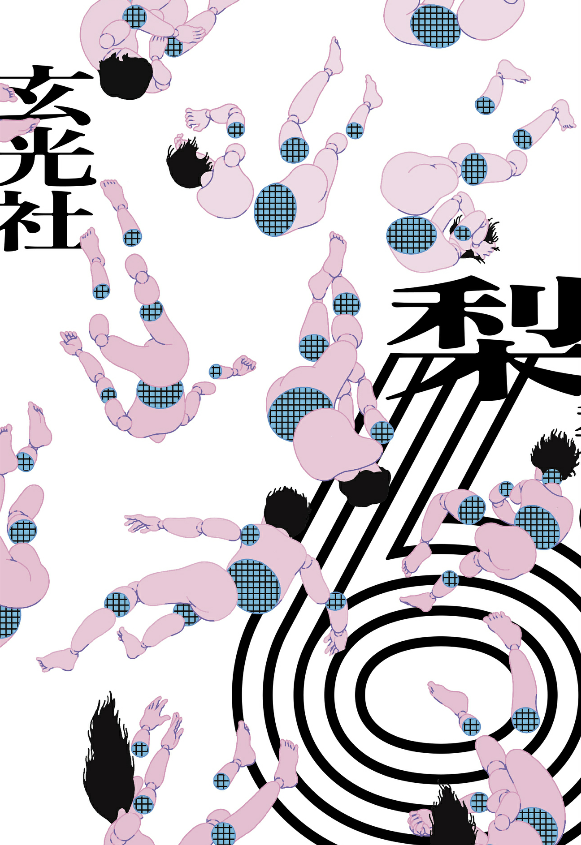
Tragically not yet translated but will be soon if justice is real, this loosely connected web of short stories from a young emerging master of horror feels evil. The book radiates a vile energy, as if transmitting text straight from underworld, as it explores, through various faux-documentary stylings, a series of bizarre inexplicable happenings. Never graphic in any real way and rarely all that active, Six instead marinates in tone and philosophical considerations, building towards endings that twist and shock while also cruelly refuse any sensation of certainty or closure. Horror here is less “scary ghost” and more “boy, I sure wish I never considered that”. Fans of Thomas Ligotti will feel right at home.
Movie of the Week | Jinsei (dir. Ryuya Suzuki, 2025)
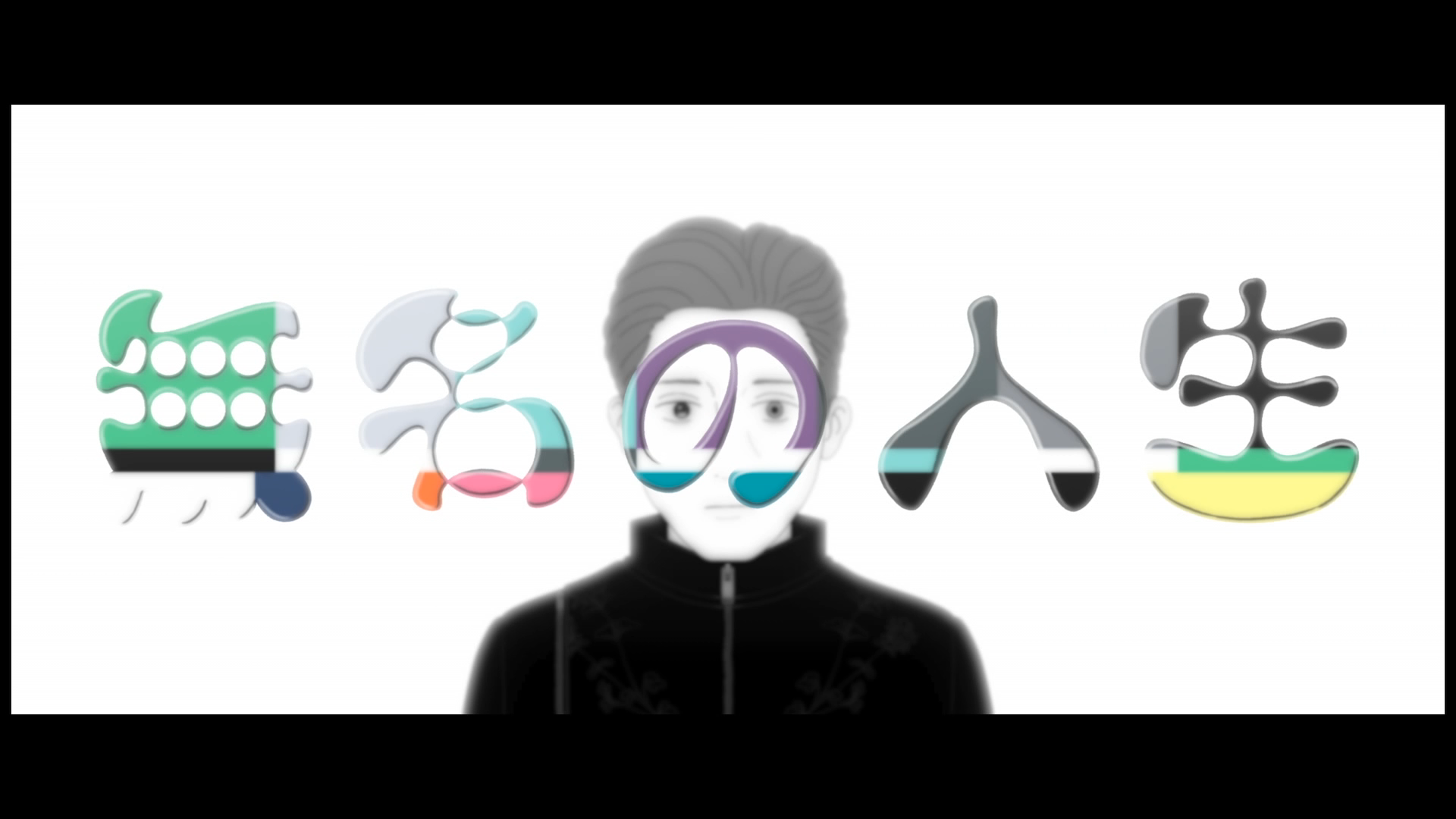
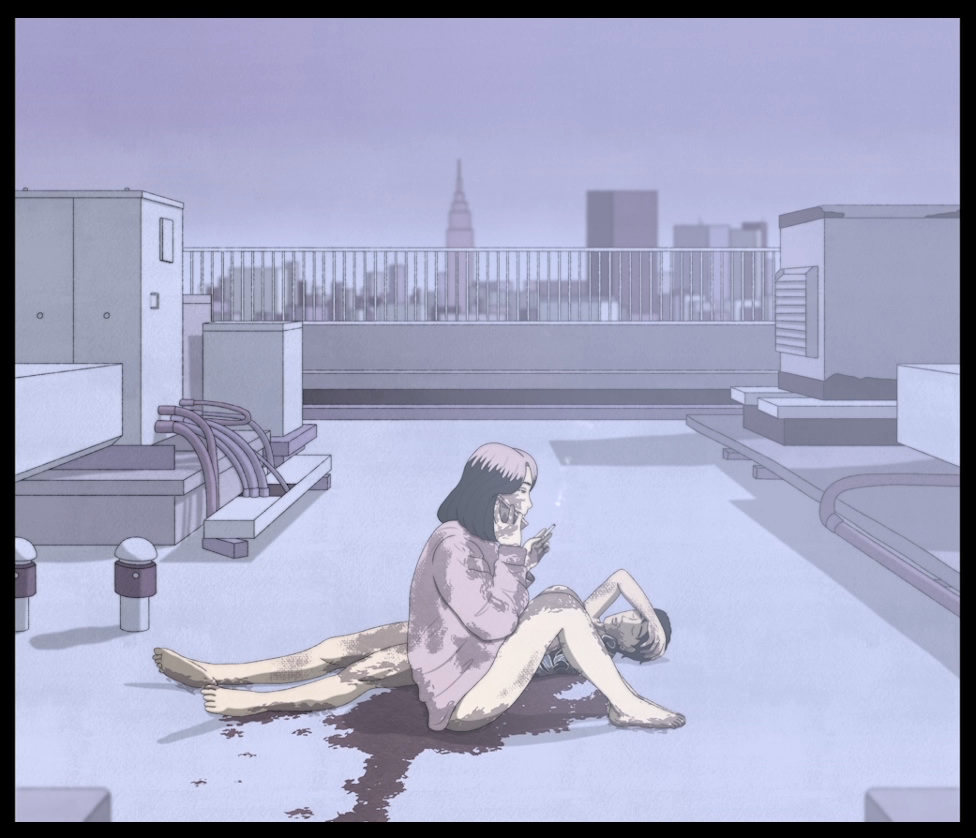
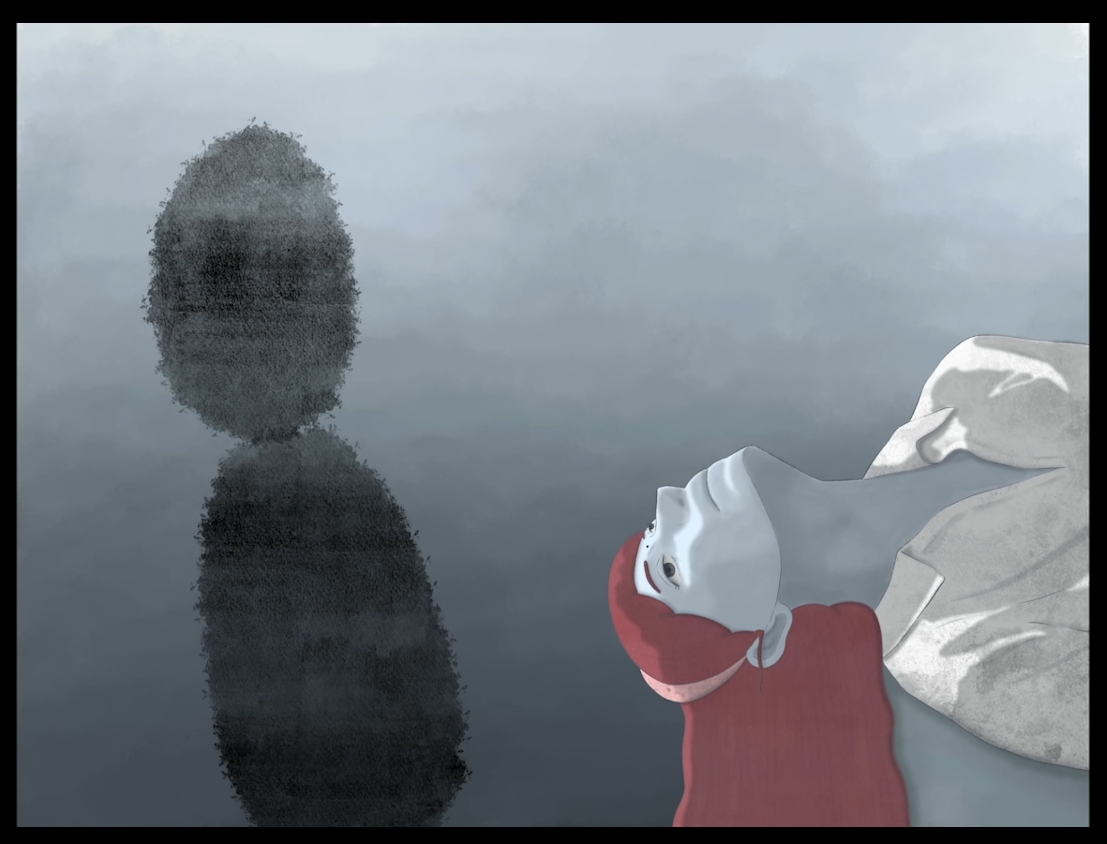
Wildly ambitious mostly single-handedly crafted animated film following the entire life of a man who becomes a pop idol, Jinsei swings for the fences harder than any movie in recent memory and mostly hits. Simple animation is elevated through ever-shifting style and inspired editing as the story shifts a dozen times over into a dozen different shapes, gradually increasing its scale until it's become an abstract sci-fi art piece. Several stretches had me convinced I was watching the best movie of 2025, and if it isn't, it's unquestionably the most exciting of the year. A meteoric signal of major talent arriving.
Have thoughts about anything covered this week? Got a recommendation you’re dying to share? Want to tell me how handsome and cool I am? Leave a comment below!
oh, and here's a little crash course in the history of rakugo