
Talking games | Gradius
I got Gradius Syndrome (can't stop thinking about Gradius)

I’ve spent my whole life filled with preconceptions about Gradius. As is the fate of most video game fans raised by the internet, a bias against titles of a certain vintage (pre-SNES, basically) was drilled into my head growing up, and I accepted most of them hook, line, and sinker because I’m ten and, well, everyone’s saying it, it must be true.
In the case of Gradius, the iconic 1985 Konami shoot-em-up, this emerged in all the ideas you’d expect to hear, one’s still commonly held about the game. Gradius is outdated, unfair, designed to steal your money, ugly and frustrating and aged and slow and poorly designed under the enlightened eyes of time. It was, in other words, old and dusted, just a relic of a bygone age not worth the time in today’s world where good game design has been solved.
And then I finally played it.
Friends, I am obsessed with Gradius.
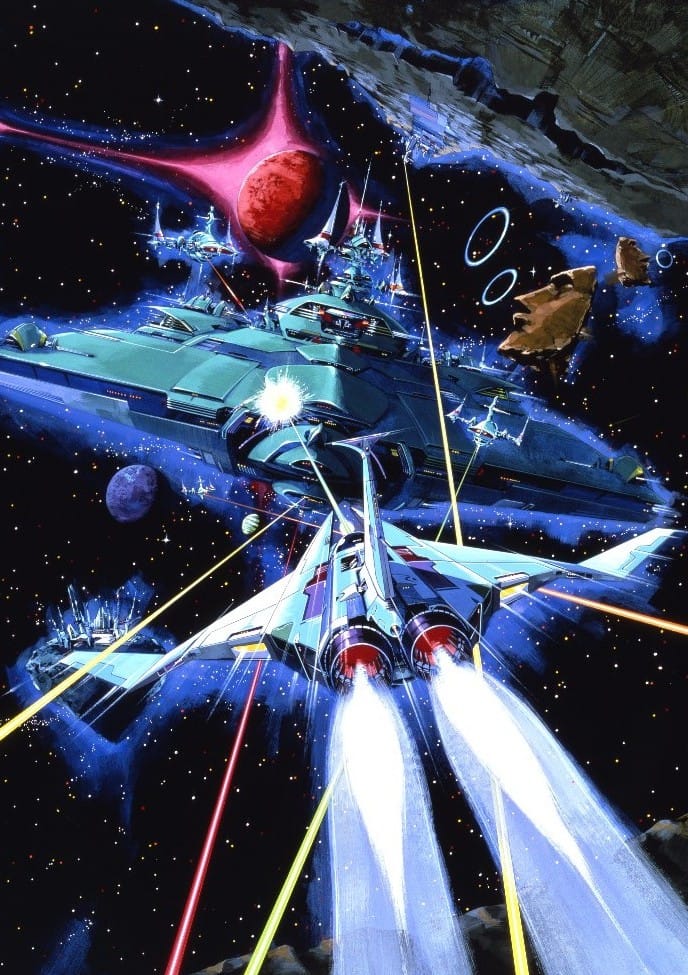
Gradius is a marvel of a game, a titan for a reason, an elegantly designed masterstroke that finds new ways to surprise and delight no matter how much you decide to put into it. Like all the best games, it’s a mirror in some ways and a tunnel in others, a journey of finding the self while simultaneously diving ever further down into a creation decidedly not you. It displays elegant subtlety in design decisions and aesthetic choices alike. It’s also, perhaps controversially, tuned by the difficulty gods.
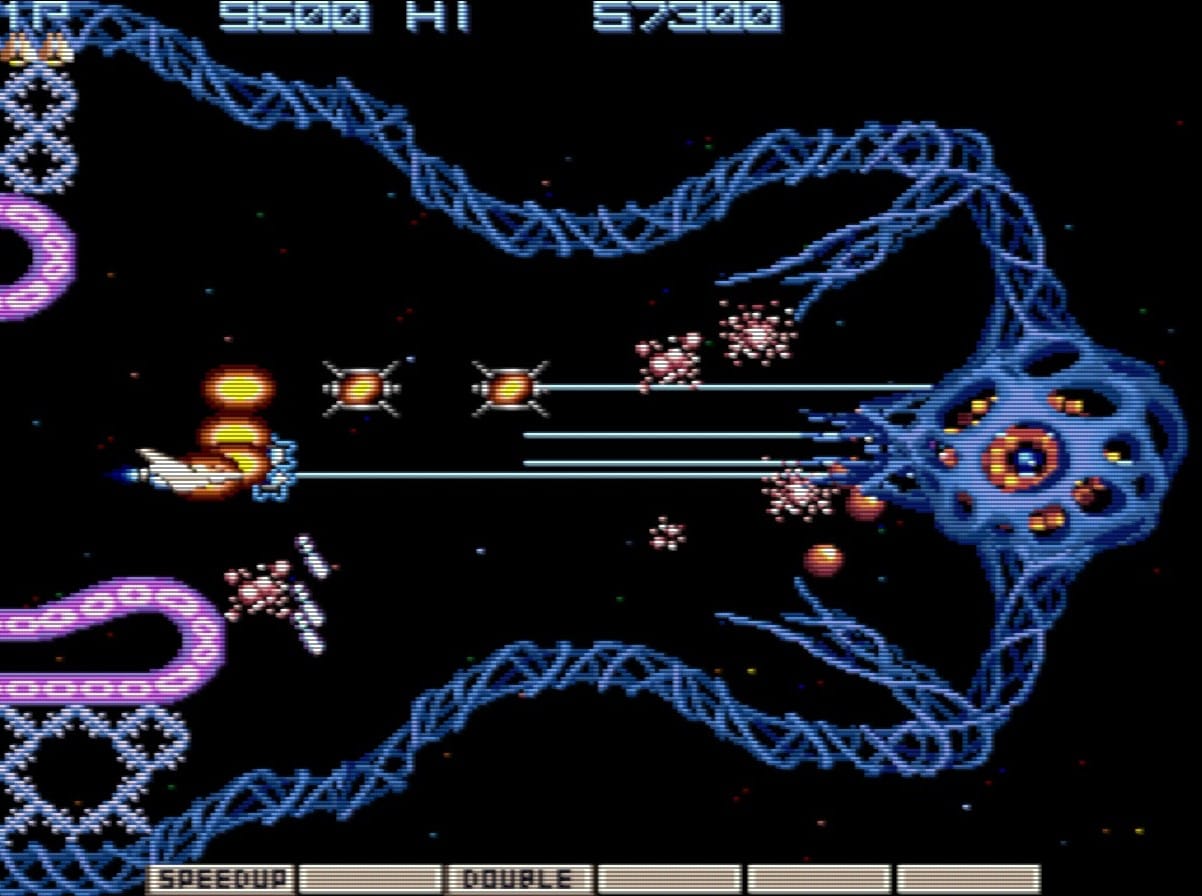
If you’re into arcade games enough, you’ve probably run across something called Gradius Syndrome. The gist is simple: due to how some games like Gradius work (returning you to a checkpoint on death, stripped of any power-ups you’ve acquired) there are parts where you can die and be well and truly screwed, certain stages and checkpoints reportedly not tuned for being clearable with nothing. If you lose once, the Gradius Syndrome proposes, then you might as well just reset.
I’ll try not to spend too much time yapping about this because there’s already a fantastic video from Funbil talking about all this (it’s also what convinced me to get into Gradius!) so I’m hands and knees begging you to just watch that instead. The point for this post, though, is that the dreaded Gradius Syndrome simply does not exist in the very game that gave it its name.
The truth is, Gradius is a hubris simulator, a beautiful push and pull machine of escalating danger as you simultaneously become godlike in power, ratcheting up the challenge while encouraging you to get sloppy because hey, I got a shield and four options and lasers man, what else could I need? A not insignificant amount of time, I found dying and losing all my stuff only made sections easier, partly because it lowers the enemy rank, and partly because it hits like a bucket of cold water to the face, waking me back up and putting me back to full attention instead of passively accepting the flow, that dreaded state where conscious thought fades away as play becomes enhanced and automatic — something I always used to the think was the best (because that’s the default take you hear online) but lately have started to think is possibly evil.
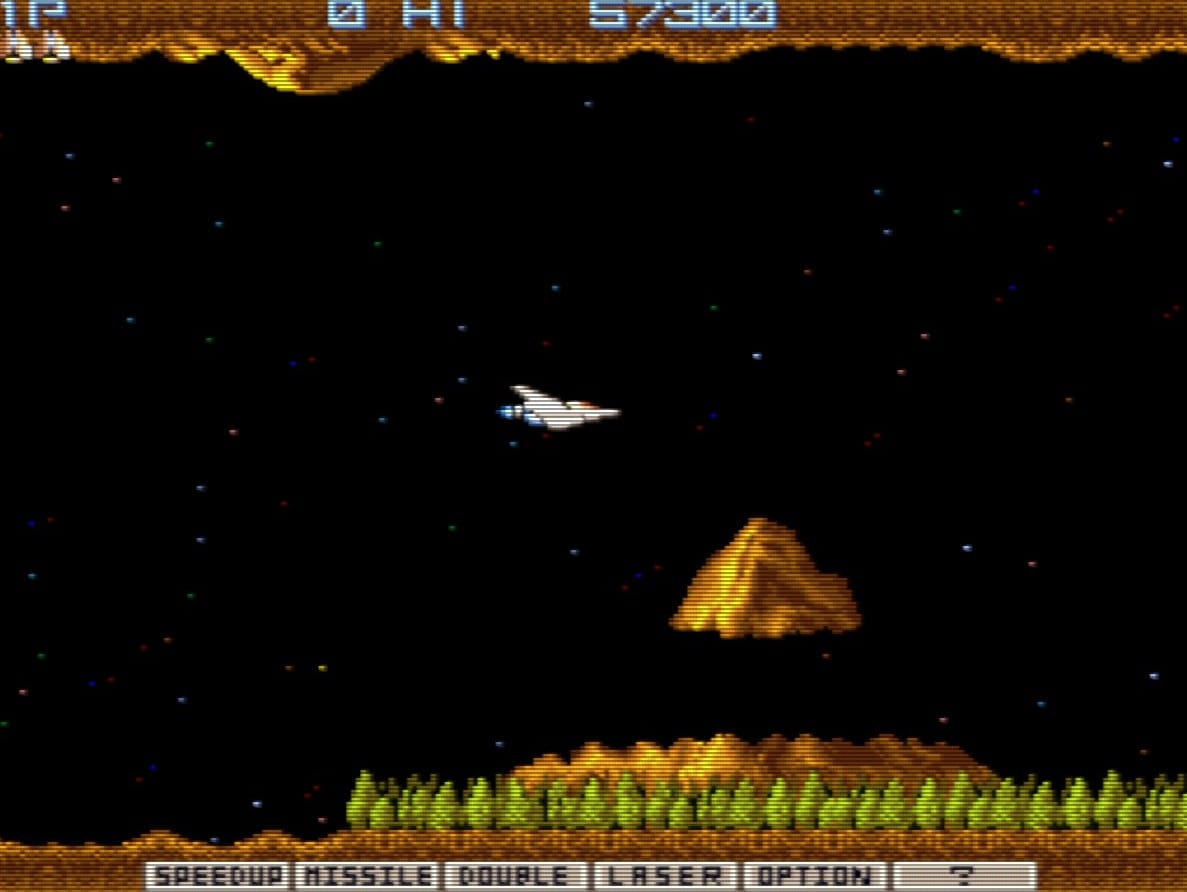
You can see this design philosophy so beautifully in the speed upgrade. The easiest power-up to get, the ability to increase your movement (and increase the spacing of your options — orbs following you around that shoot their own lasers) is maybe the most powerful in the game. But being first upgrade available, speed also represents a real danger. Stop paying attention or let a finger slip and suddenly your ship is careening around at speeds you weren’t trained for, all sense of control stripped because you were a little too hungry, a little too overeager. You have to hold yourself back, have to consciously consider when, what, and if you want to upgrade your ship if you want to make it to the end.
Pair this underpowered/overpowered tension with a ranking system that dynamically shifts the difficulty depending on how strong you are and how well you’re doing, and the design of Gradius becomes so fundamentally opposed to the idea of the Gradius Syndrome that at some point playing I started to half wonder if beating the game without dying, without having half-improvise a recovery in the middle of a nightmare stage, even counted as beating it at all. That’s where the real thrill lies, after all, the purest pleasures Gradius has to offer.
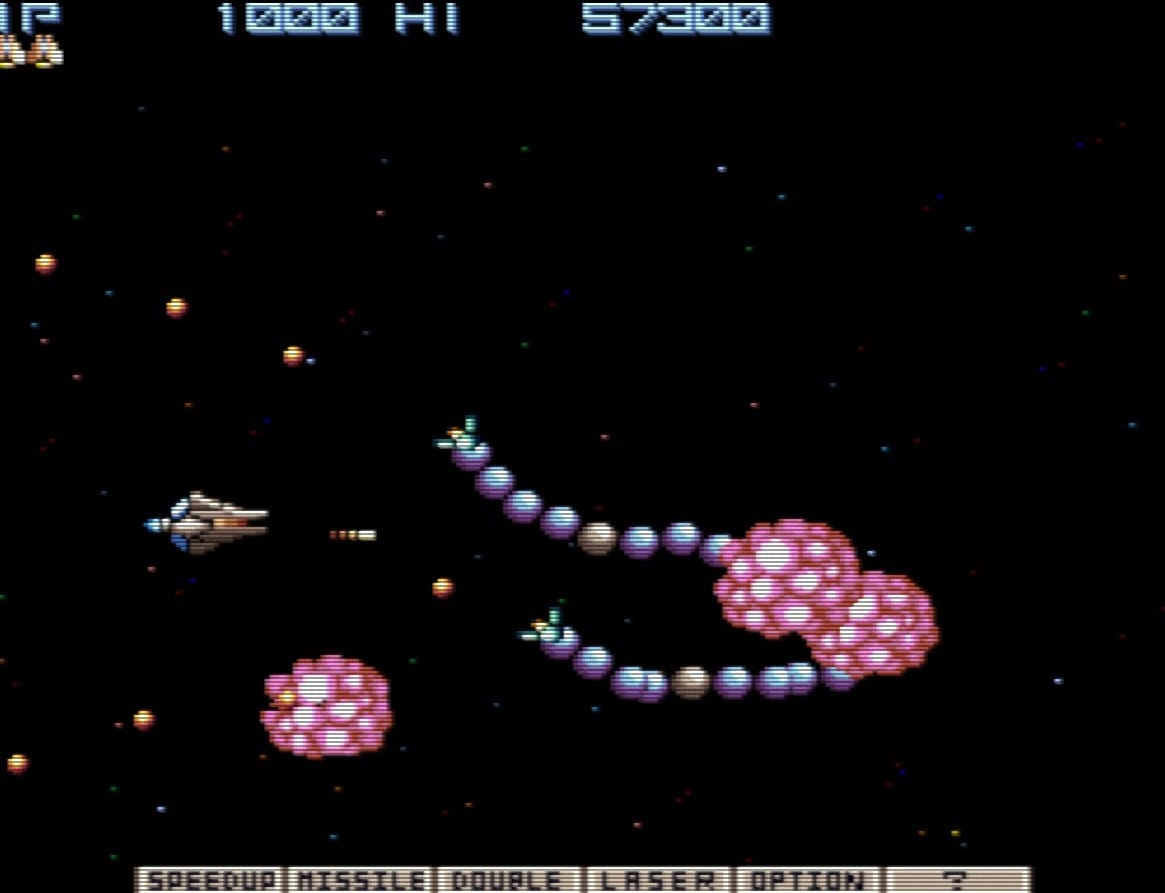
Though the pleasures on display here aren’t purely in the physical act of play, because the look of the thing? The tone and style I assumed was equally corny and crusty? It totally isn’t, not in any way that matters. Gradius is a simple looking game by today’s standards, but packs its limitations with personality. Stages are dense and short and allowed an endless parade of delightfully evocative imagery to crop up. The inverted land cylinder? Cool. The mountain that’s been blown straight through but doesn’t collapse because there’s no gravity? Awesome. The sudden introduction of amorphous flesh blob aliens lazily drifting through space? Wonderfully surprising.
There’s a playfulness here I wasn’t expecting going in, from the chipper ragtime tune that plays before a boss, to the score entry screen asking for not just your initials but also your gender and horoscope. It’s all got a real psychedelic energy about it, the same proggy, head in the clouds approach to sci-fi that birthed works like Toward the Terra or A Ship to the Stars. It’s science bathed in a mix of mysticism and pop surrealism, and it feels positively giddy about it all.
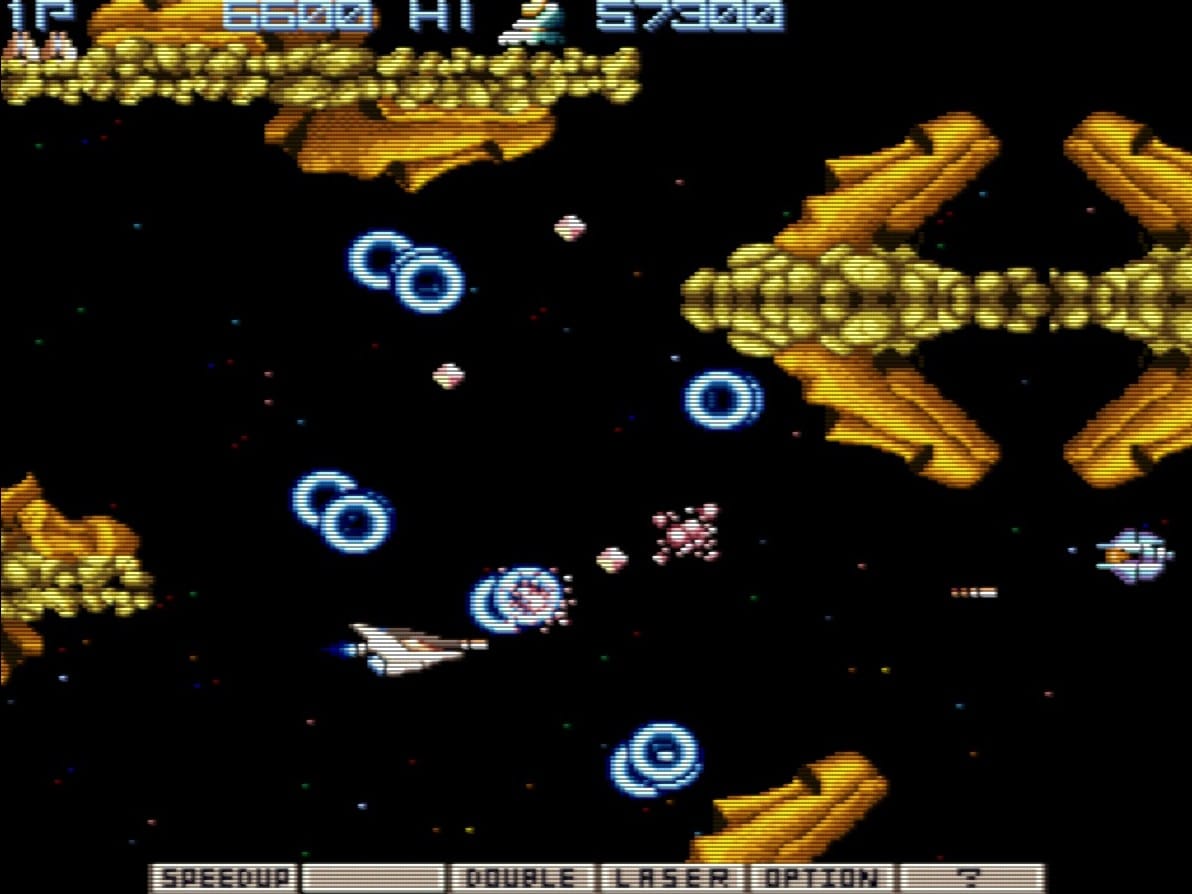
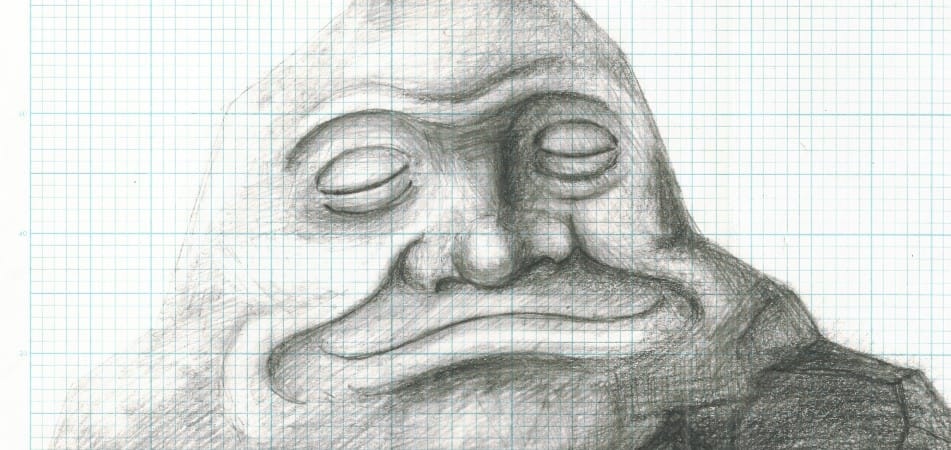
Stage three represents, of course, the most famous example of this as you suddenly find yourself assaulted from all angles by moai head statues shooting psychic energy spheres your way. It’s an iconic moment, oft referenced both by Konami and the broader gaming community (though less so now as Gradius has faded from consciousness), and for good reason. This sudden insertion of reality, of images we recognize as real amongst a sea of the unreal creates a sense of destabilization, a suggestion that our history is not what we thought, that it exists beyond us and our modern understanding.
Whereas the appearance of the Nazca lines in Xevious — another one of the greatest moments in games featuring the violent insertion of reality — exists as a backdrop, a mysterious hanging image in the background raising suggestions of a wider world and story, the moai in Gradius are solid. They are active and they are hostile. Suddenly these suggestions of a psychic history become a violent proof of it.
In that way, those moai heads ultimately act as the perfect representation for everything wonderful about Gradius; all of its genius and power crushed down into a single enemy, a single symbol. Funny and threatening in equal measure, they surprise and snap the mind out of complacency in a sort of emotional reflection of what it’s like dying and losing your power-ups. They’re fantastical and mystical, packed with the unknown, but also cold and drenched in imagery of the far flung future. They are the past but hold a glimpse into the future and are as present as anything’s ever been.
I don’t know, they probably contain the answers to the universe in their code somewhere.
I’ve spent so much of my life accepting a version of things that aren’t real. By now, my past is more assumption than not. I heard that restaurant tastes bad, that book impenetrable, that movie an empty-headed failure, and despite how often art has proven those ideas wrong, I still do it because it’s impossible not to. Belief like that is half of what we are.
But you know, I think it’s important to fight those assumptions, even for silly things like an old arcade game you were led to believe is bad. Work through the preconceptions, fight through the biases built up in the brain, try your damndest to really, honest-to-god engage with things and ideas and people and games. Because sure, maybe you don’t end up liking the thing, but I guarantee its reality is so much more complex, layered, and interesting than whatever it has been flattened out to seem.
All of which to say...Gradius good.
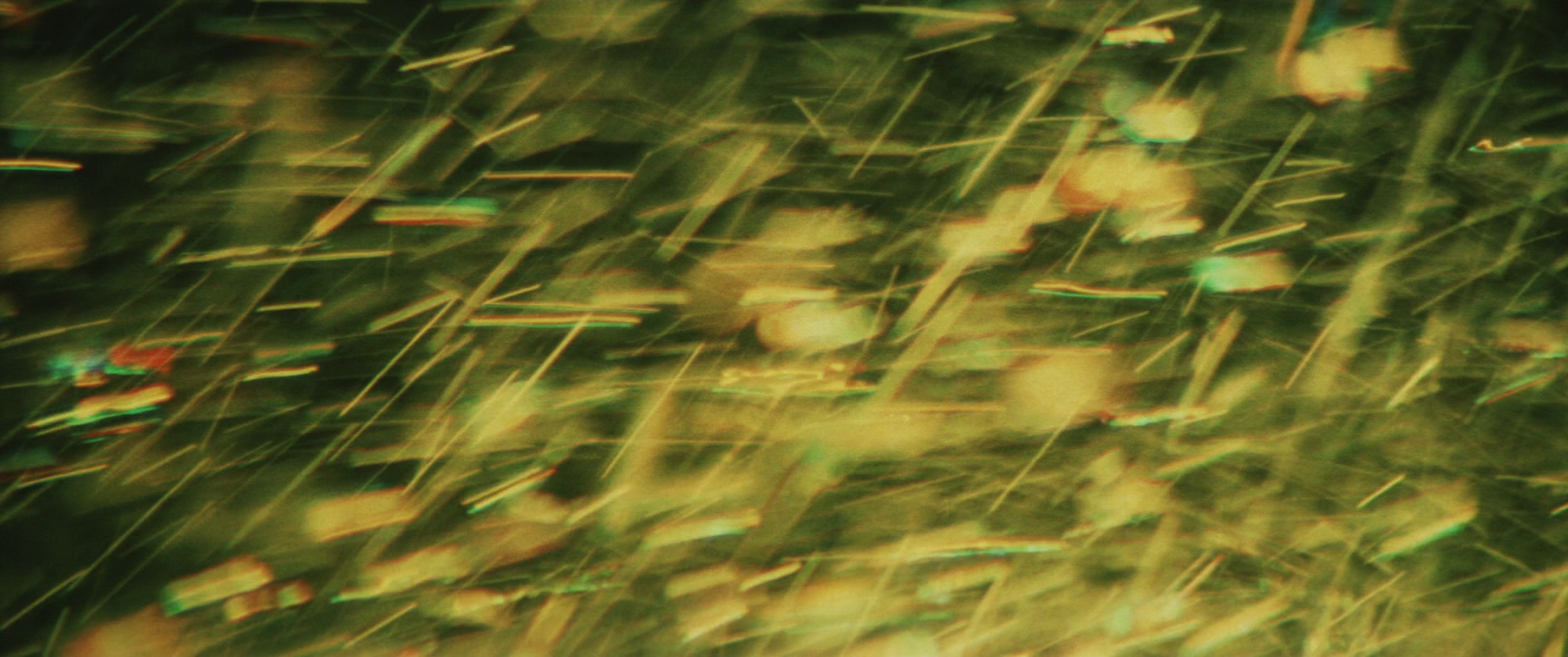
Music of the Week | Miru mae ni Tobe by Nobuyasu Okabayashi
One of the early champions of modern Japanese folk. Here, Okabayashi is largely stripped back, eschewing any large production for a more intimate and immediate set of tracks capturing the vibe of watching him perform in a small venue outside. It’s also as politically righteous as you could hope, Okabayashi juicing the tracks with an equal mix of humor and anger at all the injustices of the world. A highlight for me? "Omawari-san ni Sasageru Uta", a total earworm comparing police officers to flies circling shit.
Book of the Week | Shio no Koe by Ryoko Yamagishi
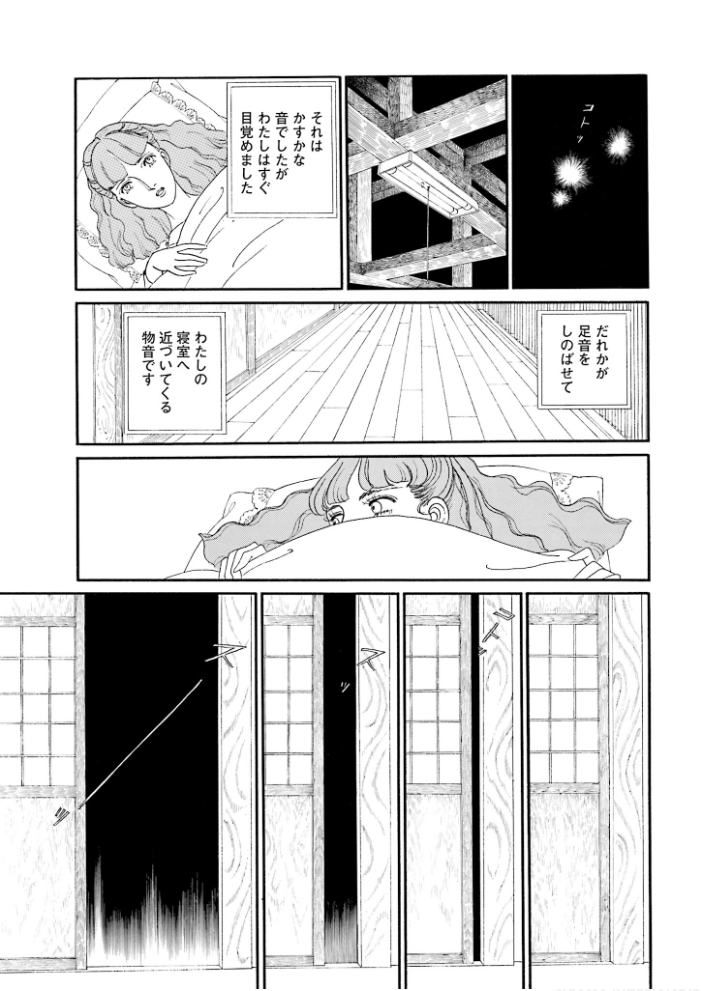

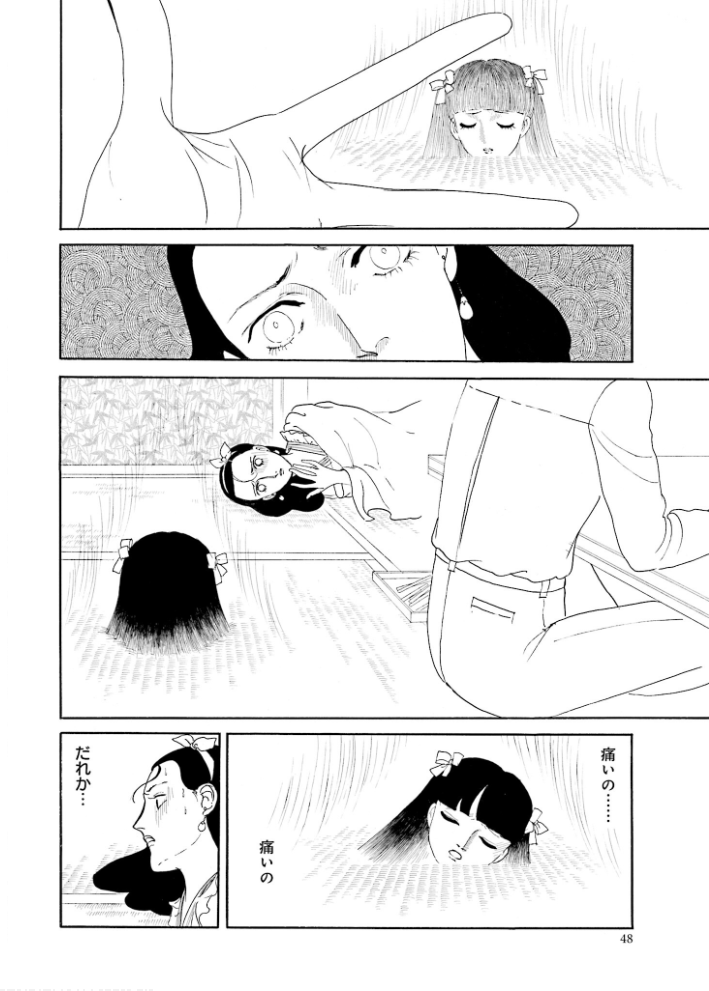
Yamagishi, a major name of 70s and 80s shoujo, might spend most of her serialized work telling melodramas of dance and history, but she’s also one of the most accomplished horror manga artists the medium’s ever had, with a metric ton of intelligent, modernist, and deeply scary shorts under her belt. And this collection is a perfect example of those horror talents. An incredible handful of tales of ghosts as symbols, Yamagishi only heightens the fear with her minimalist style, filling the pages with white and empty spaces practically exploding with dreadful meaning. The titular "Shio no Koe" and "Yasha Gozen" are both, for my money, about as good as anything horror has ever been.
Movie of the Week | Black Lizard (dir. Kaizo Hayashi, 2019)


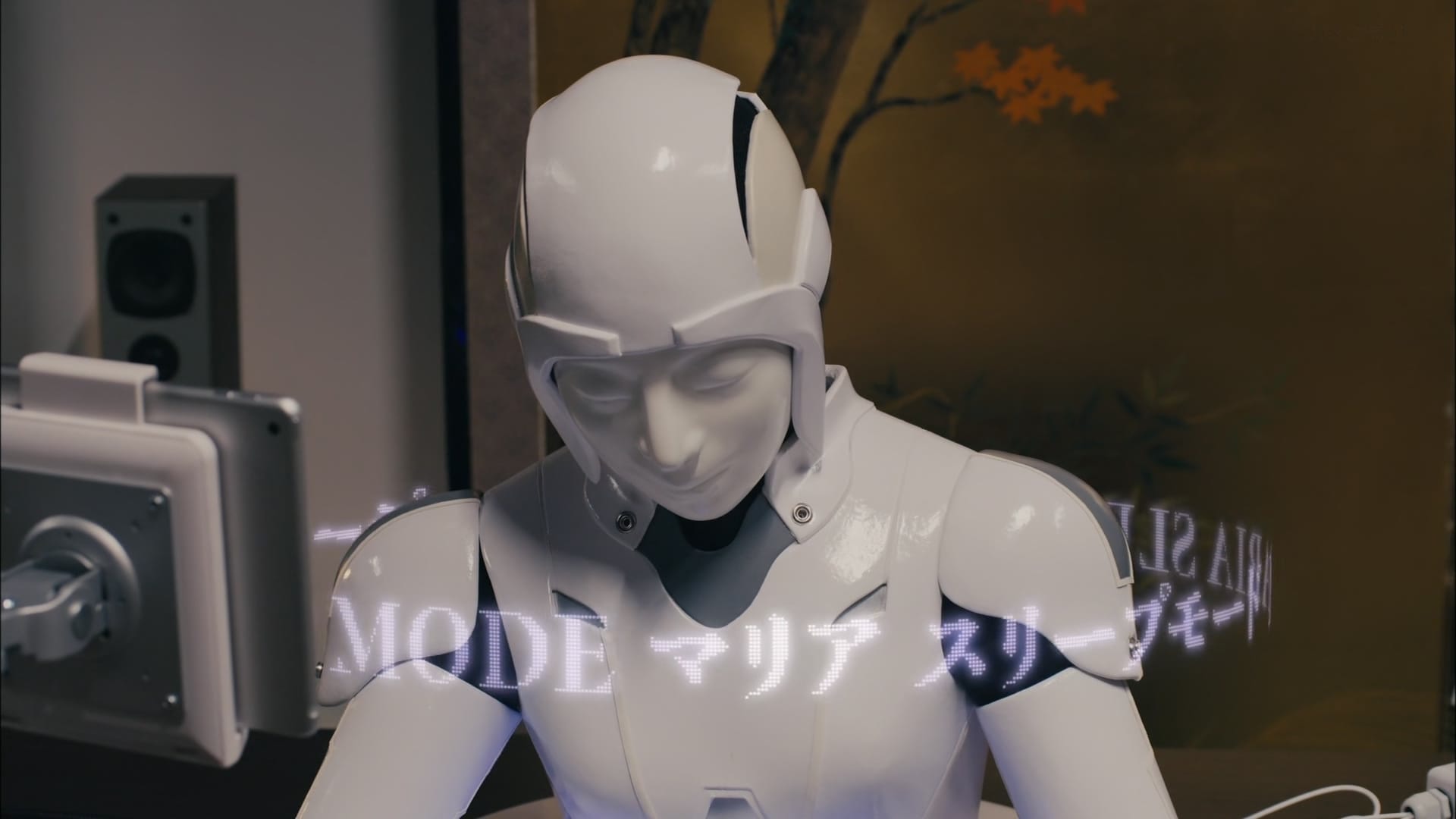
A made-for-tv special aired on the NHK reinterpreting the legendary Edogawa Rampo detective story as a sci-fi caper about human cloning, legendary film stylist Hayashi has a blast pushing as hard against the myriad of production constraints implicit to an NHK special as he can. There’s avant-garde dance and super-impositions and deliberately fake CG heavy green screens and, more than anything else, buckets of Hayashi’s post-modern sensibilities, finding reflections of its cloning theme through endless references to the various takes on Black Lizard and Rampo’s work throughout the years. The kind of stuff TV was made for.
Have thoughts about anything covered this week? Got a recommendation you’re dying to share? Want to tell me how handsome and cool I am? Leave a comment below!
oh, and the wonderful PyramidInu has started an anime podcast!