
Talking movies | Egg
Embracing the bug in me.

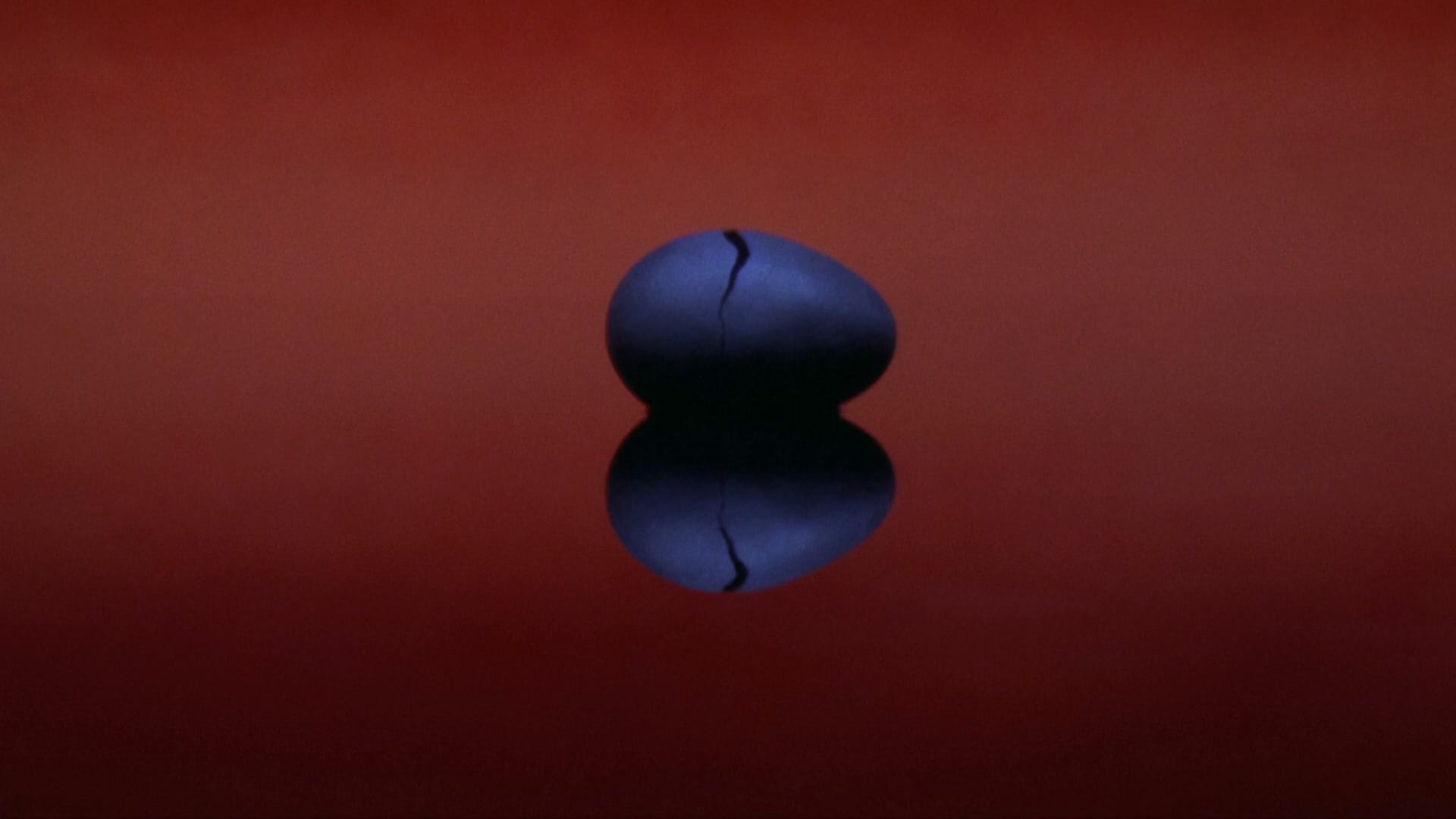
God is dead.
These are the words that open Akihiko Tsutsumi’s 2005 film, Egg. They‘re words that come after violence, after an old woman in sunglasses in a home tinged in shadows and blues slowly, carefully takes out a shotgun, loads it, walks into another room, and shots a young girl through the head. The reason? The kid just wouldn’t stop drawing an egg. After it’s done, the woman sits down and removes her glasses to reveal abyssal holes where eyes should be.
She turns the gun to herself and fires. The movie begins.
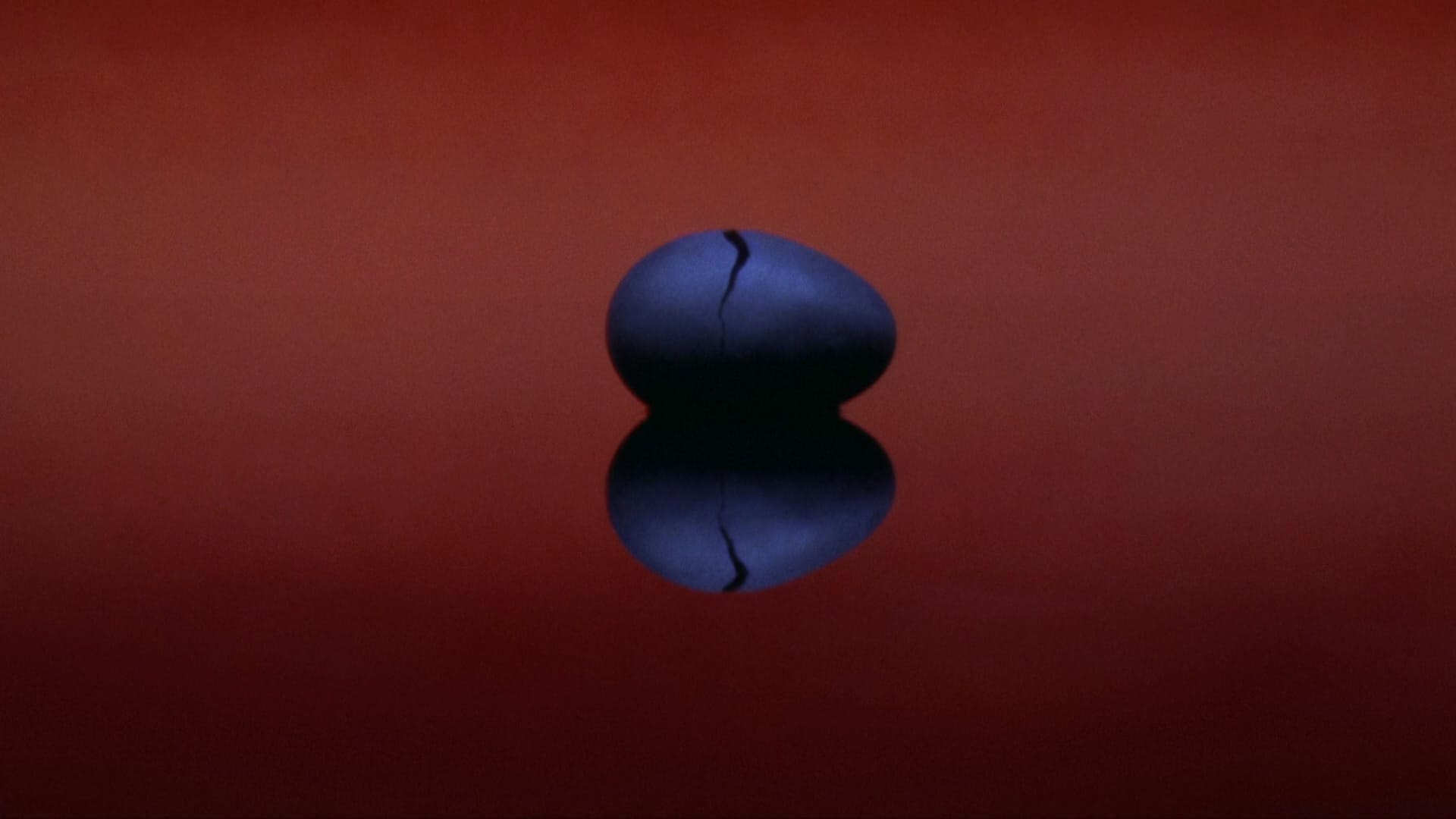
For about as often as it doesn’t, everything—life? society? whatever it is that defines us humans beyond just ourselves—feels like some alien pattern to me. People act and move and connect and think both around and at me and on my worst days I feel completely unable to parse any of it. Smile for this long, say this back, move your hands like this, organize and value in these specific ways. It's like being a kid in school getting a logic problem where I have to find the next number in a pattern and everyone else immediately understands the answer but me. The pattern just doesn't make sense.
Egg feels like a movie similarly out of step with those patterns. The only difference is I’m just an anxious dork and NOT a bug person housing alien offspring in the liminal spiritual space behind my iris. Well, as far as I know, at least.
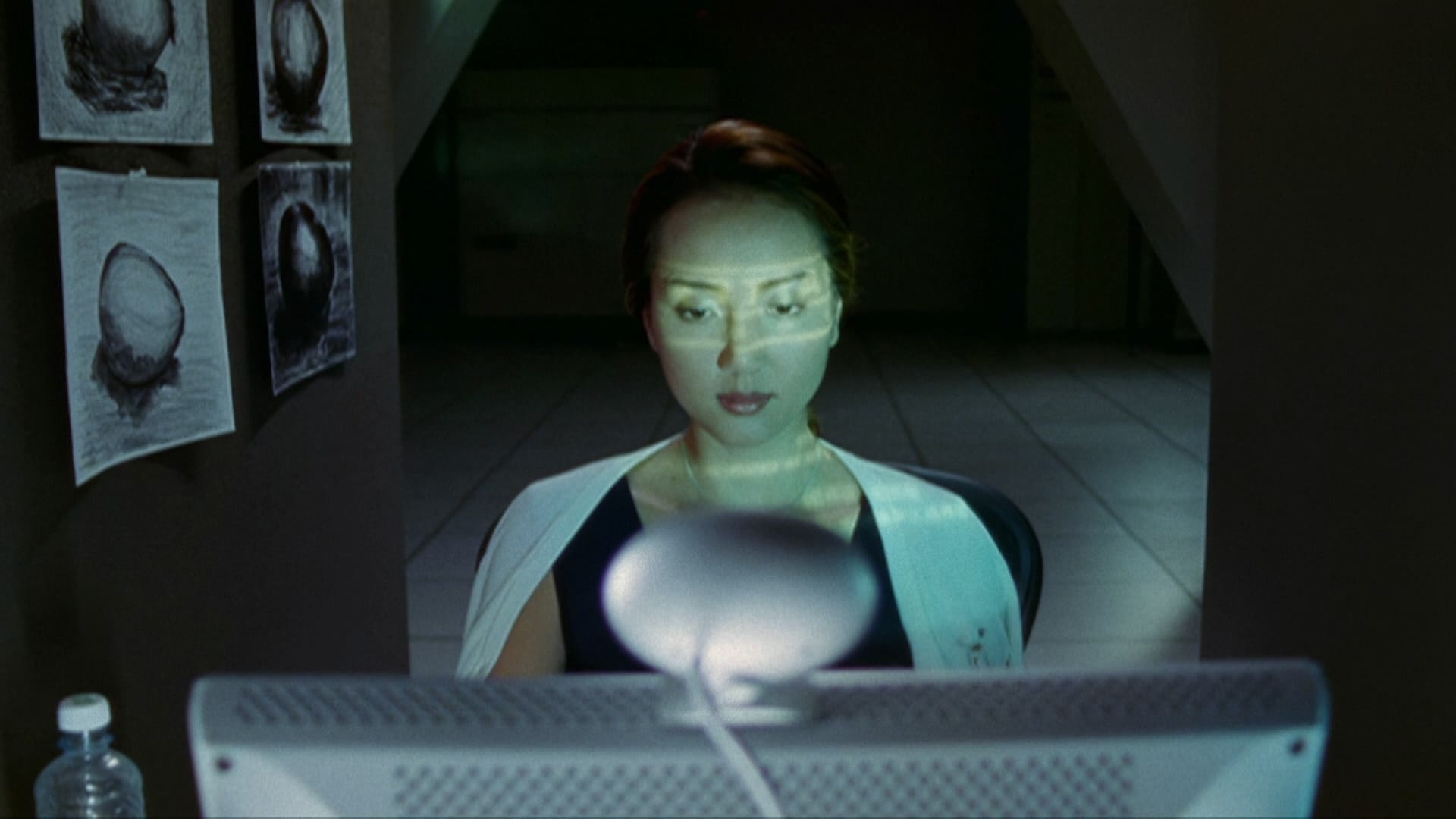
Following a Korean immigrant, Arai, stuck in a vague corporate job who keeps seeing a strange egg whenever she closes her eyes, from almost frame one, Egg carries a deep sense of being incompatible with the world. Said job (moving her computer mouse over arbitrarily red numbers in an endlessly scrolling binary string) exists in this state of synchronicity, everyone and everything but Arai moving in perfect lock and step. Her boss finds any excuse to hell at her for not doing things “right” or not working fast enough. The train houses people and scenes that make no sense, shouldn’t be there. Fluorescent lights blare and overwhelm rooms. And through all of it, Arai just sits there, near expressionless, as a torrent of loud absurdism screams all around her.
Loud absurdism, it should be said, is director Yukihiko Tsutsumi’s bread and butter. One of the great stylists of modern Japanese directing, Tsutsumi’s work is frequently defined by an absolute go-for-broke maximalism, a rapid, gonzo, sometimes exhausting insistence that every shot and every cut be, above all else, interesting. He’s like Akio Jissoji but more pop, throwing the camera around every which way to ensure you’re constantly seeing some crazy image you’ve never seen before. It’s an infectiously playful style, one only bolstered by his prolificness—rapid production resulting in a director who often exists in a sort of stream-of-conscious state of production.
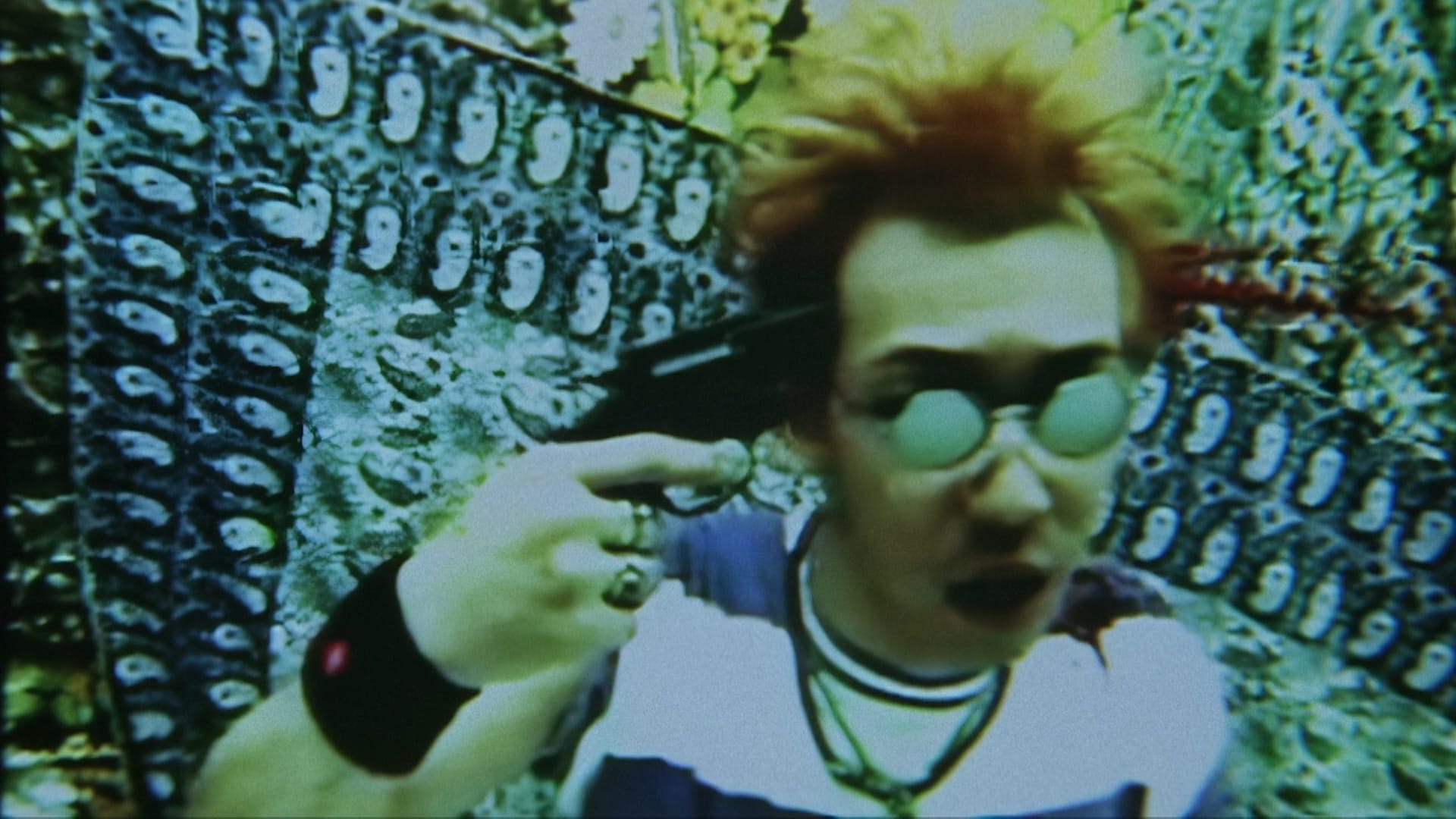
That loudness goes far beyond just stylistic concerns, of course. Tsutsumi is infamous for his surreal digressions, serious moments regularly interrupted by over-the-top nonsense comedy. But the nonsense always has a point.
In his nightmare police procedural masterpiece Keizoku, the nonsense is used for a profound sense of nihilism and rot; in his good boys being good masterpiece IWGP (look, he’s made a lot of very good tv), similar nonsense acts as an exhilarating expression of life and community. And in Egg, the nonsense is there to create distance. Bizarre things keep happening around Arai. A group of army men appear and say nothing; someone pretends to commit suicide for a gag; her friends dressed like ninjas do kung-fu to rescue her from a hysterical police offer. And while the camera keeps suddenly slowing down and suddenly speeding up, suddenly blurring and suddenly skipping frames. At multiple points it repeats an action multiple times over like you’d expect from an explosion in a b-movie but instead of an action it’s Arai staring off at nothing.
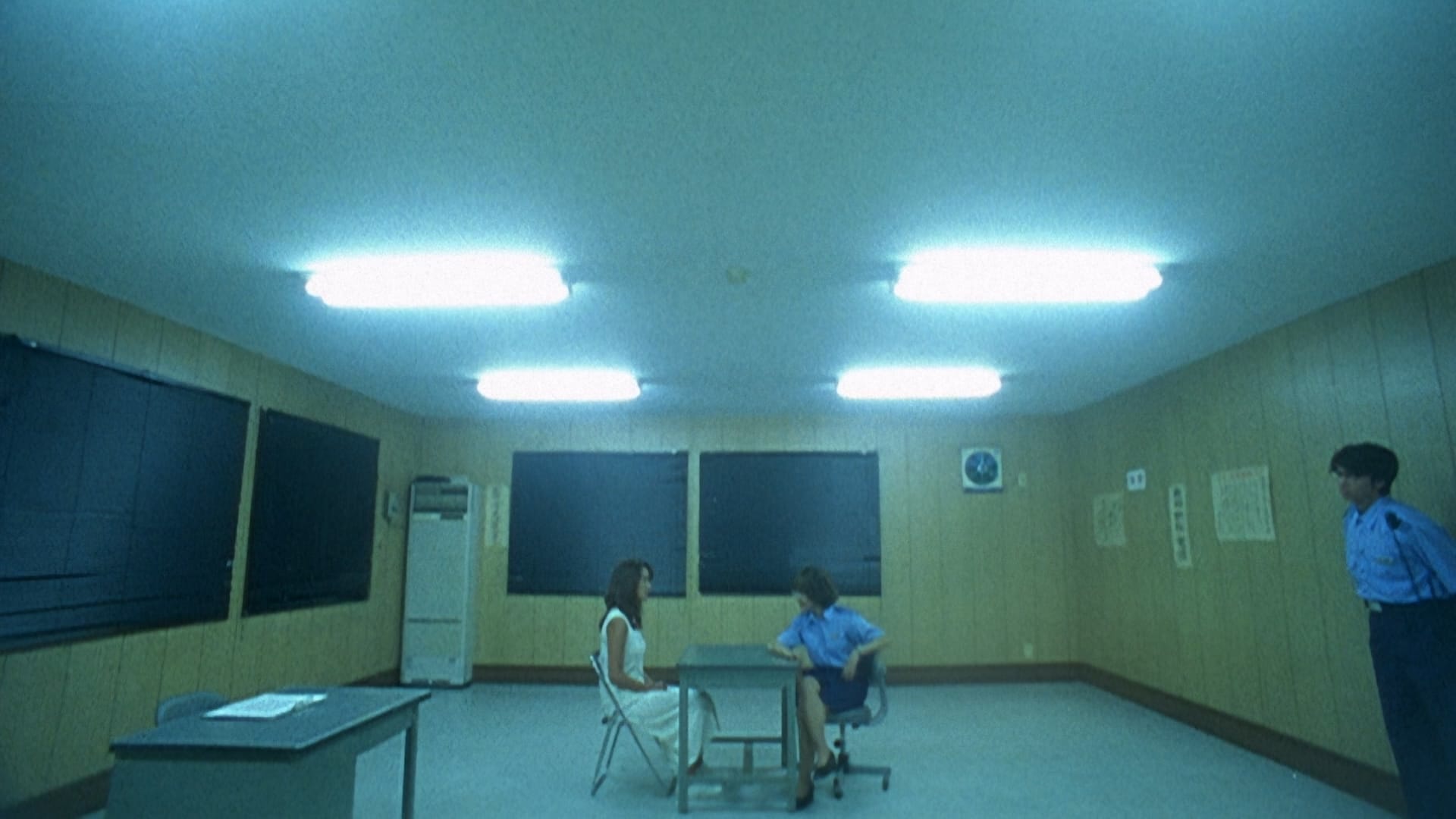
It’s the cinematic equivalent of having a fluorescent light pushed right up against your face, world filled with unnatural light and a loud humming and growing needling in the eye that won’t go away even if you do manage to close your eyes because its infected the back of your eyelid and created a monster in there. And in that way, I find it to be deeply honest. Sometimes life just feels like a repeating zoom or a random fast-forward, am I right?
Of course, the monster here isn’t just a metaphor. There really is one hiding in the egg Arai keeps seeing, and it doesn’t take long for it to hatch and come crawling out.
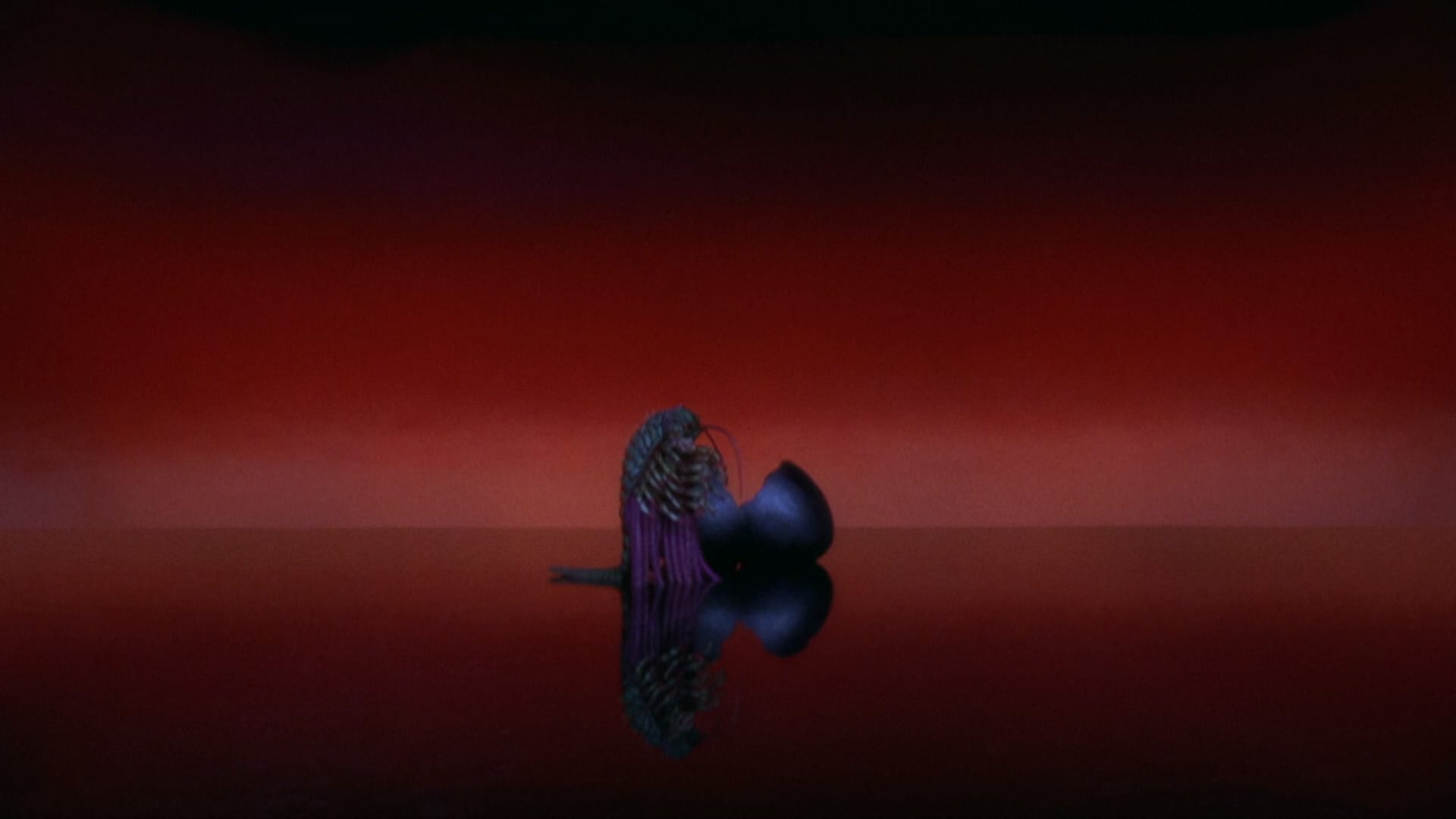
What follows in the film is a doubling down on everything the first twenty or so minutes establish but on an increasingly internal level as actress Jo Hye-yeong runs around the city, flinging herself about like a slapstick ragdoll while an invisible monster keeps head-butting her in the stomach. Well, invisible to the outside world.
To spoil the movie (don’t worry, it’s not a movie where spoilers are the pleasure) the movie climaxes in burst of expressionist CG as Arai enters the space behind her eye to confront the creature. It’s both a big and incredibly small finale, generations smashing down on each other at once in a mystic, metaphysical expression of acceptance, a beautifully abstract depiction of embracing things that might hurt you because it’s the right thing to do.
And then Arai kills the monster by stabbing a flaming piece of rebar through her eye, so...so much for all of that.

At last, silence. At last, she can look at and focus on the world everyone else sees. At last, she be in sync with the rest. Then she closes her eye. Three eggs and a pool of red. The monsters have only grown in number. She realizes immediately that she can never close her eye again.
While I’ve spent a lot of time talking about this sense of alienation and not belonging, I don’t want to anyone to think Egg is only about one thing, though. It's all too ambiguous for that, too absurd, too unexplainable. Egg can just as easily be read as an expression of a sort of parental hyper-anxiety or female oppression in patriarchal systems. The satirical corporate sections can be expanded out to cover the entire time if one wants, and there's a large focus put on multiculturalism in Japan particularly as it pertains to Korean immigrants that feeds very easily into its own reading of the film and the monster at its core. There’s a lot going on with this goofy creature feature just like they’re a lot going on in all art.
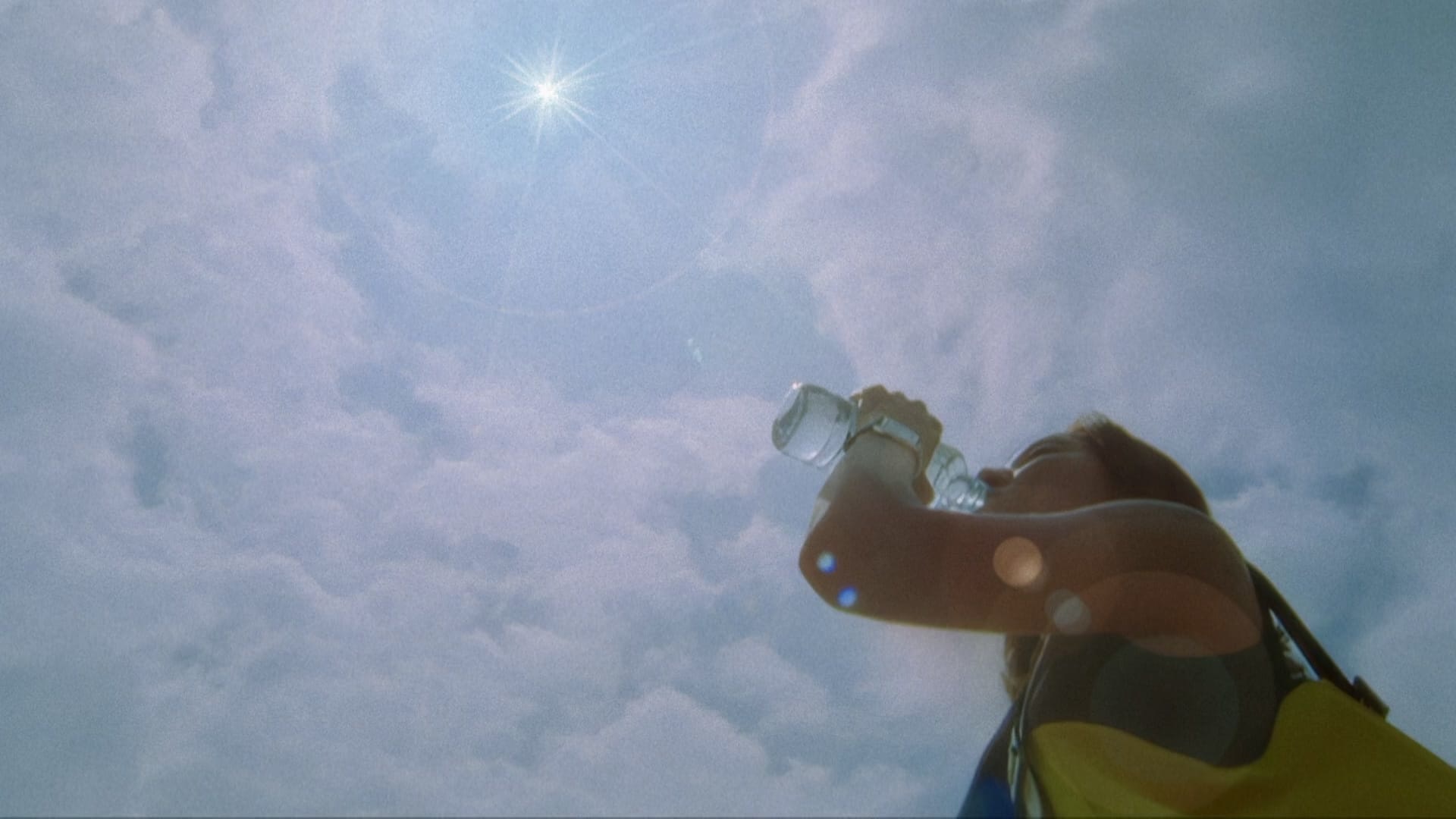
Still, when it ends, the overwhelming feeling in me is connection to the camera indulging in the absurdity of the world, connection to this woman stuck alone in a world that makes no sense, connection to this little alien bug hiding in human skin.
And hey, if this all makes me sound like a complete non-functioning disaster mess, don't worry. I've gotten very good at not closing my eyes.
Music of the Week | Yasuyuki by Yasuyuki Okamura
Japan’s Prince, Yasuyuki is the album that sees weirdo pop star Yasuyuki Okamura really unlock the limiters and go full him. Oscillating between dark funk grooves that wouldn’t be out of place in an early Shin Megami Tensei dungeon and bright pop bangers complete with children backup singers, Okamura indiscriminately croons and squeals over everything. He’s part Elvis, part James Brown, part most confident dude you’ve ever seen at karaoke and part most pathetic, desperate nerd there’s ever been. All of that adds up to some of the most charismatic, distinctive vocal performances out there to compliment his already oddball production. That a bunch of tracks, like the almighty “Daisuki”, are all time great earworms just feels like a little blessing on top.
Book of the Week | Hi Izuru Tokoro no Tenshi by Ryoko Yamagishi
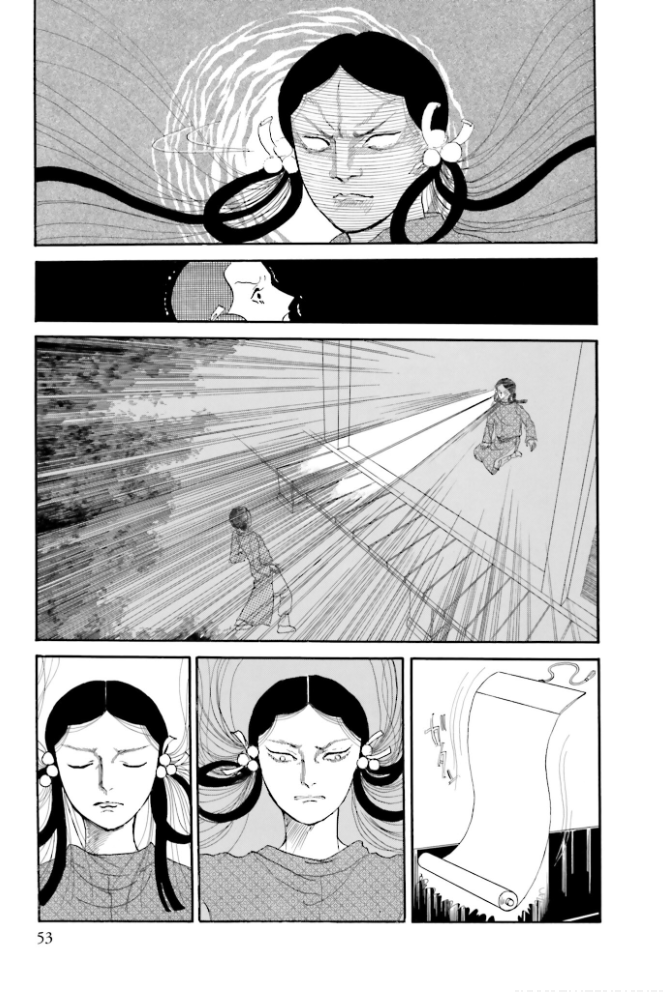

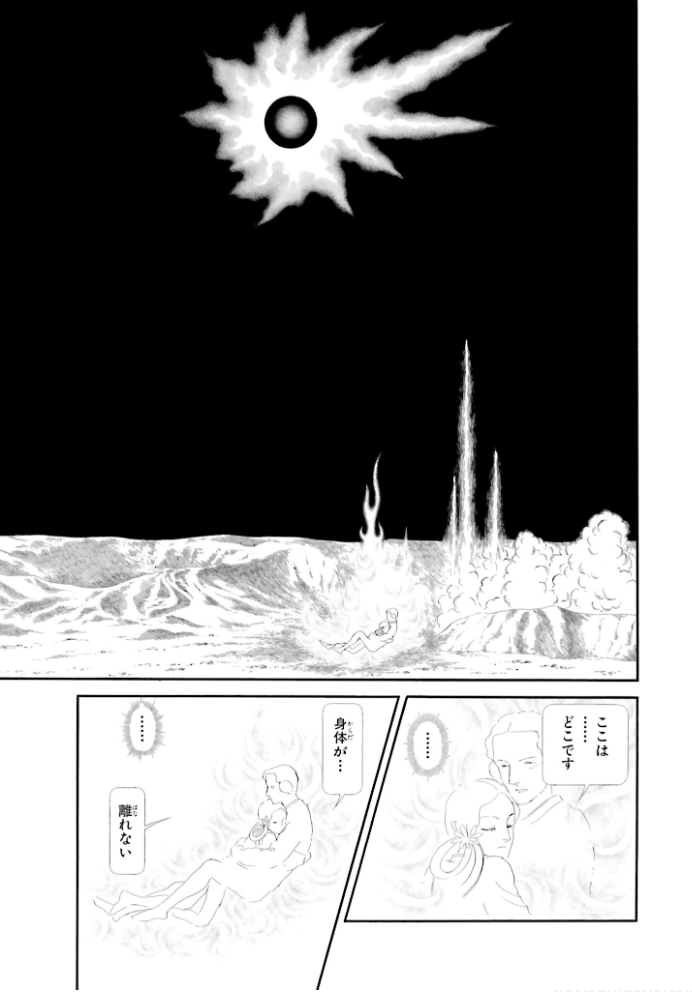
A manga that dares to ask the real questions, like what if one of the most important names in Japanese history was actually an evil gay psychic twink? The answer? One of the great works of the medium. A dense and literary work of historical political intrigue melting into personal relationships told largely through aching subtleties (Yamagishi’s skill at facial expressions is second to none), Yamagishi keeps the whole affair at a certain distance until the supernatural bursts out and breaks down her carefully placed panels. Thrilling, enthralling, occasionally scary and frequently devastatingly romantic, this thing hides so much emotion centimeters blow its regal presentation. Absolute masterpiece.
Movie of the Week | The Next Generation Patlabor Tokyo War (dir. Mamoru Oshii, 2015)
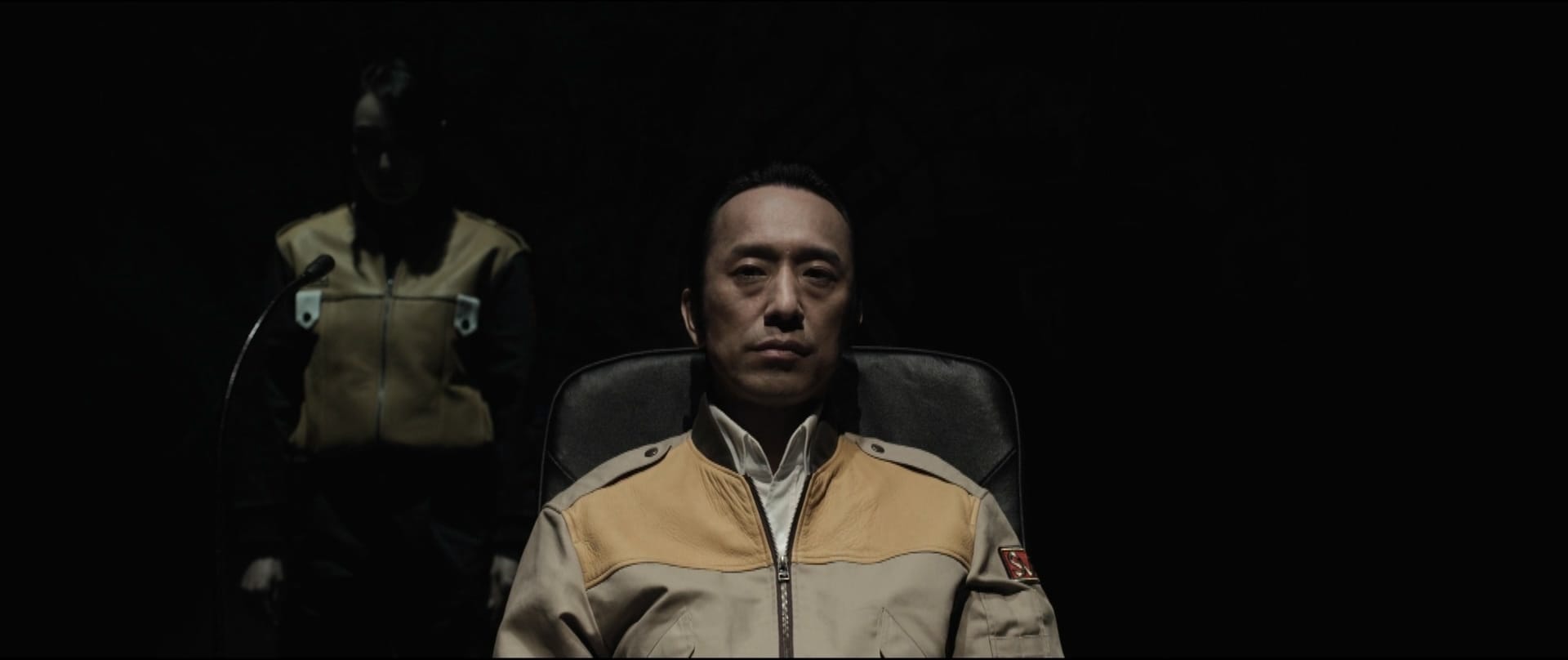
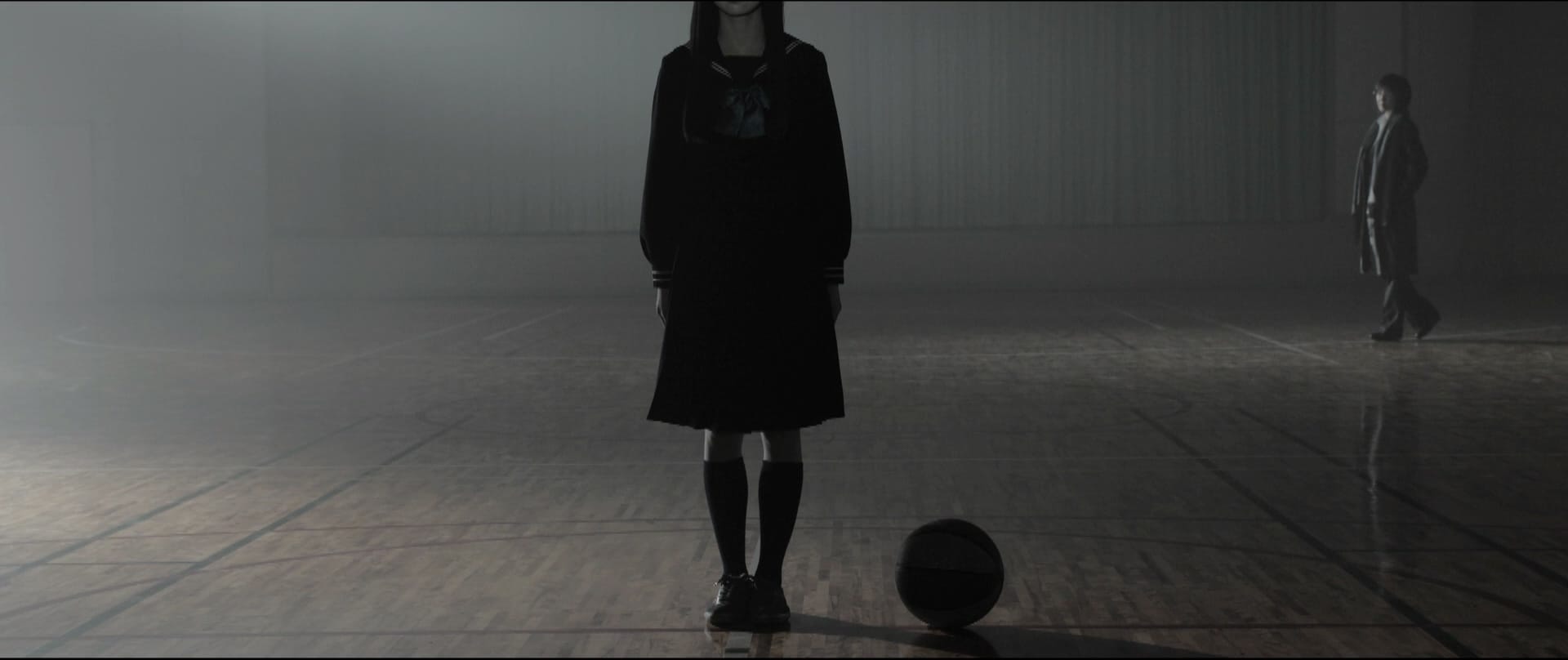
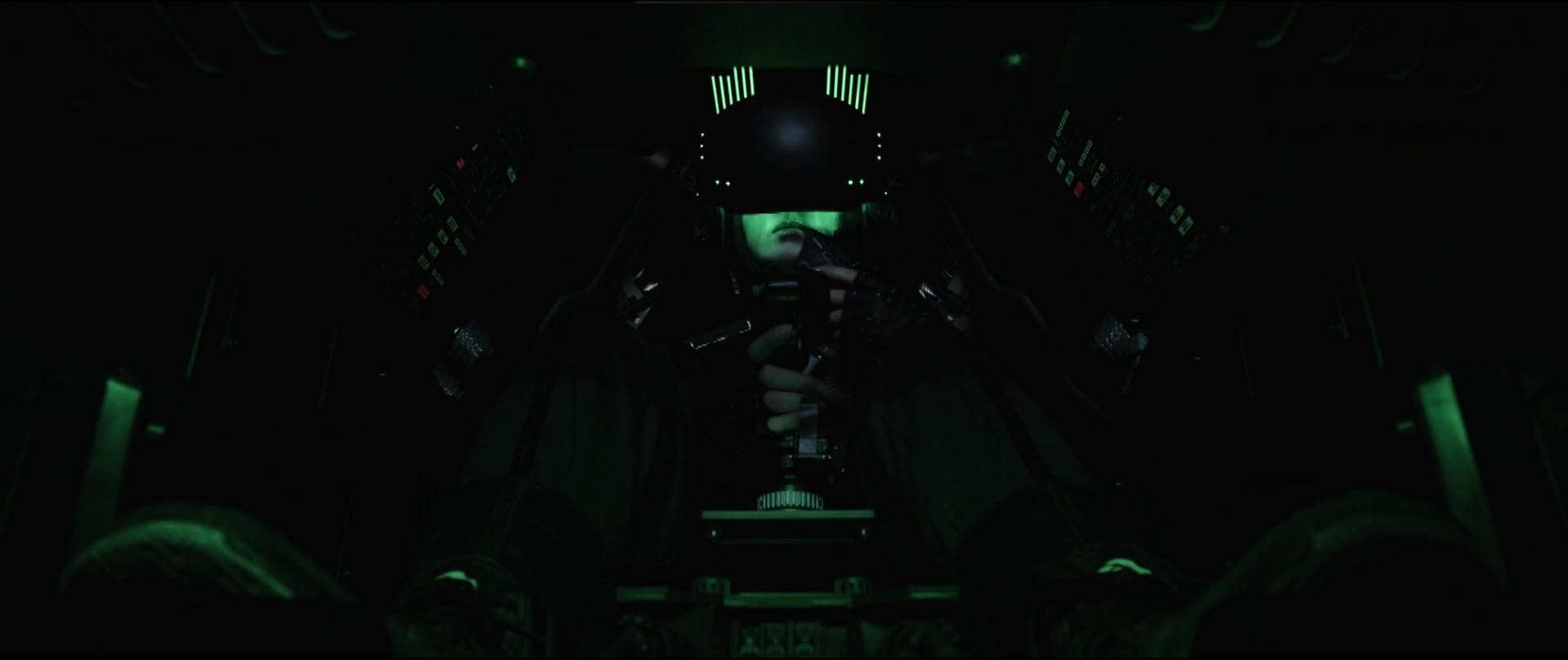
The film follow-up to the Patlabor live-action legacy sequel tv show while also being an explicit sequel to the second, this beast of a political thriller stands proudly right up alongside the other three Patlabor films as a high ideal for giant robot storytelling. Deeply concerned with the past and legacy, it plays out a cyclical and (purposefully) hollowed remix of what came before, becoming an impressively complex work as much examining the creative self as it does political struggles. Add in some genuinely fantastic action and you’ve got an unjustly ignored killer of a feature.
Have thoughts about anything covered this week? Got a recommendation you’re dying to share? Want to tell me how handsome and cool I am? Leave a comment below!