
Diving With Friends | finding treasure in 2025
12 friends share their favorite Japanese art discoveries

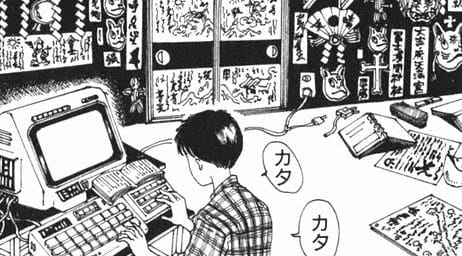
Happy new year, everyone! As a present for the start of 2026, I thought I'd give you the greatest gift of all: a break from having to listen to me yap.
Instead, here we have the first in what will hopefully be an annual tradition of me strong-arming a bunch of friends into writing about their favorite "new to me" Japanese art experiences of the past year. Whether that be a movie, an album, a show, a game, or a bunch of different things rolled up together, all that matters is that they have the space here to express their love for some art they discovered over the last 365 days.
And I'll try not to be too corny, but this is my favorite thing to go up on this site and I'm not sure it'll ever be beat, because look at all of these people; look at all of this art. What else could all of it possibly be about if not this, right here? Friends, connections, emotions of every shade, experiences and views of every kind, and art. That's life, baby!
Thank you so much to everybody who agreed to chip in – PLEASE follow them and the things they do, they're all incredible and very inspiring to me. And to the many friends who I didn't manage to get on here this time: I'm coming for you next year!
So enjoy, and here's to a new year of living as best as any of us can.
Wren
Failing Sideways with Silver Spoon
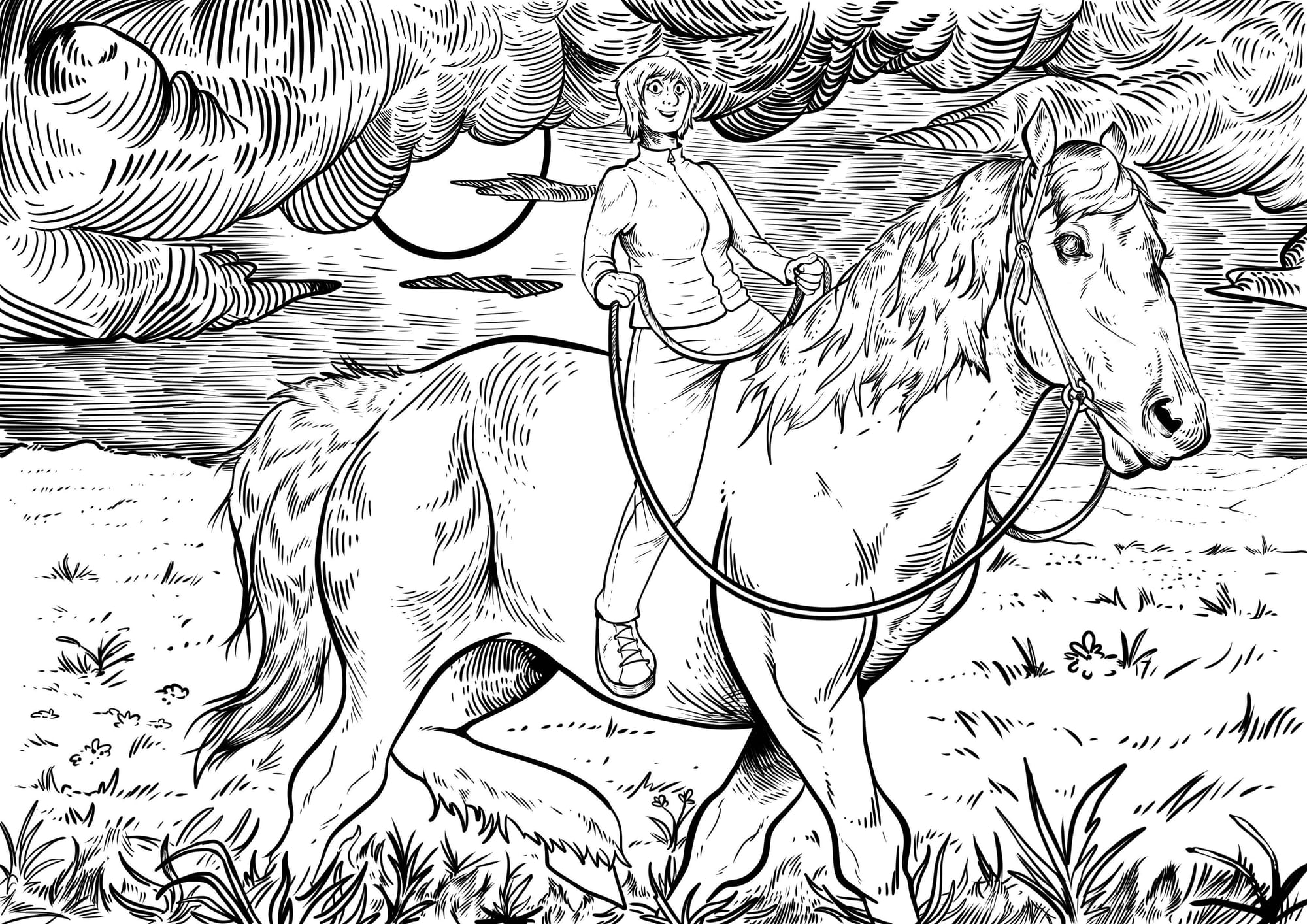
There’s a sickness in my brain that craves nothing more than to abandon this life of mine and live out the rest of my days raising goats and drinking tea out of a well used waterskin. A dream that Silver Spoon protagonist Yuugo Hachiken may have held a little too close to his chest. Ignoring all consequences, Hackiken left his academically demoralizing life behind and now gets up at a bitter 4 o’clock in the morning. A time of day dedicated to shovel horse shit and contemplating exactly why he chose to go to an agricultural high school in the middle of nowhere. Of all the comics out there, few settings have spoken more directly to my inner burnout. And so, most mornings after my bitter shift I would find myself opening up my phone and spending some time immersed in Hiromu Arakawa’s long since completed, and heavily underappreciated, classic.
Hachiken, in his disaffected way, navigates the unique challenges that come with being an anxious teen but with the backdrop of the idyllic Hokkaido plains and forests. He doesn’t know what he wants to do with his life, a common enough struggle. But it's one that's brought the poor boy to his knees. He spends the comic’s 131 chapter run contemplating this question, agonizing over what it even means to want something for yourself. In that simplicity I think Arakawa etches out a place for herself in the cultural canon, leaving behind another piece of work that asks the young and impressionable what they want for themselves.
I left behind a very intensive career path when I was a (even) younger man. I’ve worked in some trades, veterinary hospitals, and my current post in psychiatric services. Yet all the while I still cannot fathom what it would mean to concretely ‘have a dream’. So now, in the cold mornings after frustrating shifts I find so much joy in watching some lame ass kid try and fail over and over at tasks and jobs well beyond his skills. I think everyone should try and fail for as long as they're breathing. Be it in through hobbies or careers, keep trying things out. You won't know if there's something perfect for you until you try it.
Wren’s book podcast the Bog Frog Book Pod | podcast about the webfiction, Worm, Covered in Worms
Mara
Alice6
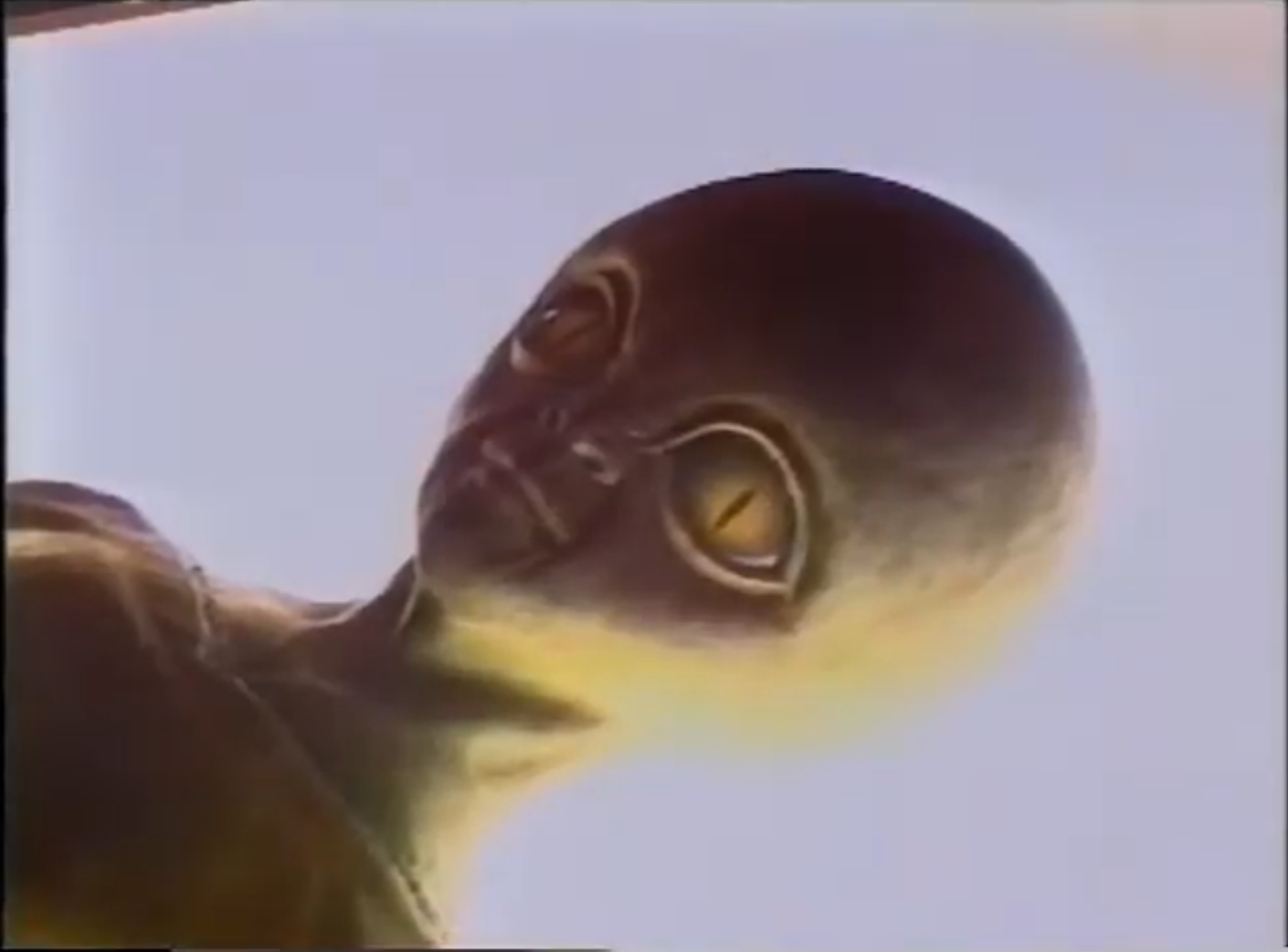
When thinking back on the strange year that was 2025 and all the things I've enjoyed throughout it, nothing else stands brighter in my mind than the memory of one small Japanese TV show penned by the country's most conspiratorial grandpa. Chiaki J. Konaka's a funny figure, right? I think everyone knows of him even if only by the proxy of one legendary work among his catalog of other equally legendary works. Serial Experiments Lain is just that good, even the folks who don't particularly dig anime know that one. It's strange, it's magical, it's violently surreal and it's all wrapped up in a small run for a show that would infect many year after year. But I think a fact less known about Lain is that a lot of its ideas comes from another show that aired just a few years prior. Written by Chiaki J. Konaka and directed by his younger brother Kazuya Konaka, the year of 1995, the year of my birth would grace us with the oddity that is Alice6, a J-Drama unlike any other out there. Despite the prominence of having both Konaka brothers at the helm, it was made in what I'd consider some pretty obscure context; basically a low-budget show that aired exclusively in certain regions of Japan, therefore locked from inception to only the smallest of audiences. Area code dramas as they were called were basically made exclusively for specific area codes and therefore Alice6 was only available for the people living in Shizuoka at the time. I think part of that attracts me innately, y'know, the idea that a show already obscure was even further thrust into the shadows by circumstances like these, it gives it a weird quality I really vibe with. Despite being a massive fan of both brothers and an even bigger Serial Experiments Lain fan, it took me till this year to give the show a shot, partly because prior it wasn't fully translated and my language skills are rocky as is. The story is simple, think Alice in Wonderland but with six girls, models, idols, young women heading into an unknown world, an adult world that is held together by the wishes of one white rabbit. I think from a sense of surface level appreciation, a big part of what I personally enjoyed came from those similarities with Lain. It's so on the nose, a lot of the characters share the same names, there's even one, the gloomy girl Yomoda Chisa, who after a traumatic incident disappears from both show's plots altogether and acts as a sort of ethereal guide of ambiguous presence throughout the rest of the stories, with everyone else kinda unable to cope with her absence, searching endlessly for her. The main villain would basically inspire Masami Eiri, the sorta main antagonist of Lain in that he's a godlike character who uses the world and our protagonists as toys to mess with for his own personal experimentation. There's topics of identity crises, the concept of body and mind dualism thrust front and center, of what it means to be in a world of adulthood, alien references and even more Konaka touchstones just there for the keen eye to pick up on. It's a tremendously dense show, so much so in fact that at some point, both Lain and Alice6 choose to straight up reset the whole plot and give everyone a new world but with its own set of consequences. In a way, that density of ideas is a big reason why I think about this show still to this day. The circumstances surrounding its creation, its apparently very low budget, all the high concept musings on philosophy, even though it's something almost to be expected out of Chiaka J. Konaka at this point, here in all of its prototypical nature it's almost surprising. It's charming, it's odd, it's endearing in a way very few series manage to capture, at least in that length. It's a little gauche to overly compare, at least I think it is, but in a way it reminded me a lot of Twin Peaks: The Return. Very disarming show that leaves you with more questions than answers but isn't that what makes it so special in the end? If you've got the chance, go peep it, it comes at the highest of my recommendations.
Mara’s youtube channel | bluesky
Minovsky
Various
2025 wasn’t a year I associate with fresh media discoveries. The precarity of being a resident of Washington, DC led to a greatly tightened budget and prolonged periods of anxiety about the future stability of my partner's federal employment status. That constant tension dulled my curiosity for seeking out new media in favor of maintaining our day to day and finding greater peace in exploring nature.
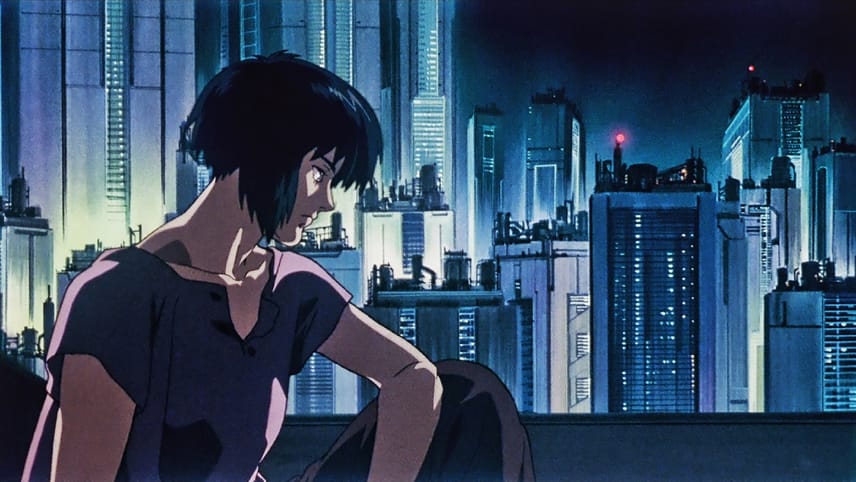
I found myself looking to DVDs, manga, and torrents I’d collected in the decades past when my time and income had been more expendable. We began my partner’s journey into Universal Century Gundam, Patlabor, Robot Carnival, anime adaptations of Togashi works, Yuri on Ice!, Slam Dunk, and Ghost in the Shell. Ghost in the Shell captivated my partner so much that they were screening it for a friend within the same week. To my astonishment, they went on to independently discover and fall in love with Legend of the Galactic Heroes and participate in monthly watch parties with friends. 2025 was an awful year for new discovery, but an excellent one for sharing what had been formative experiences in my own development as a fan and having my partner’s raw enthusiasm for those experiences rekindle my spark.
I am hopeful that 2026 will be a year where that lifelong desire to dig for new-to-me experiences will be born anew.
Minovsky's bluesky
Marcy
Merry Christmas, Mr. Lawrence
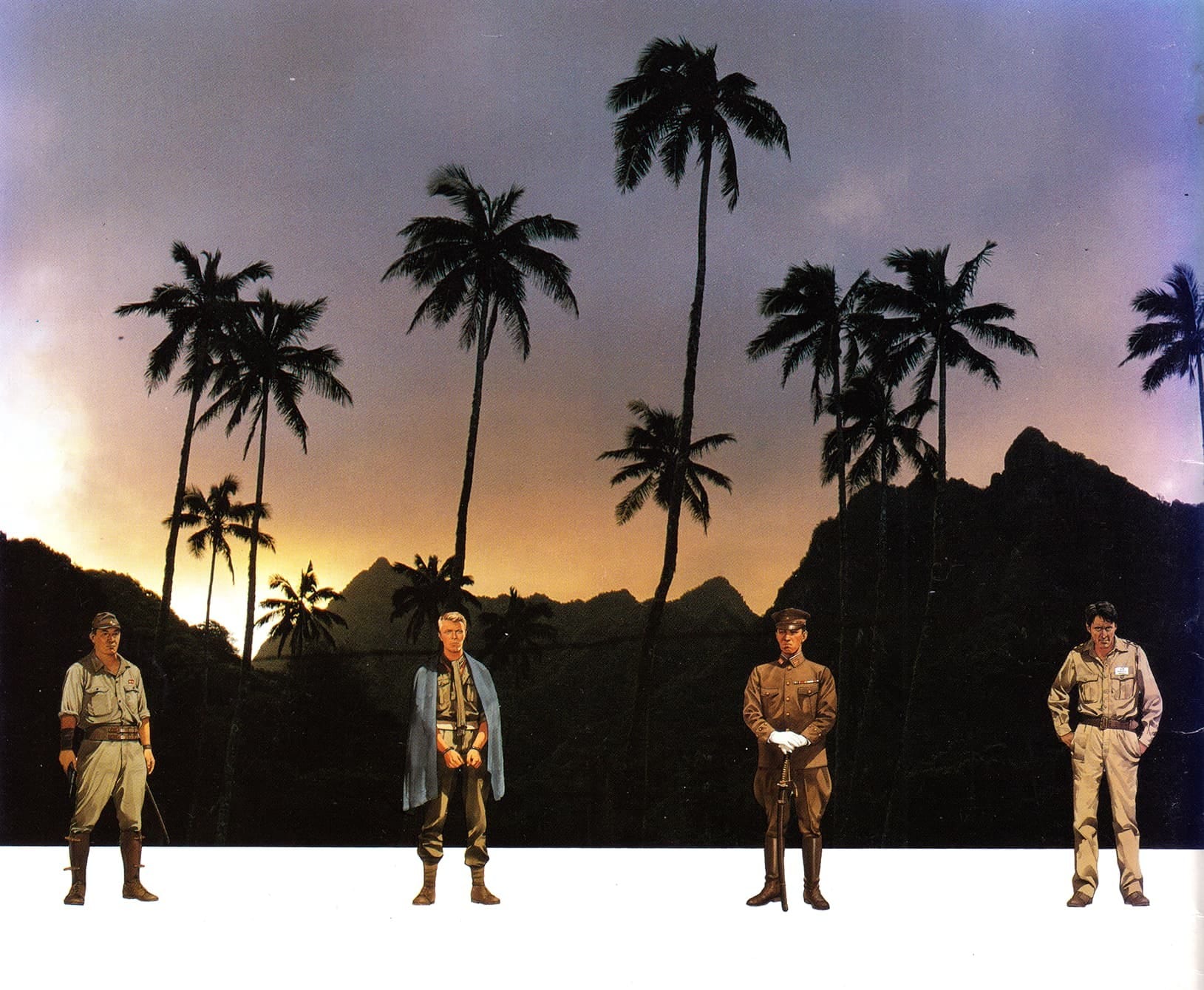
Though I only discovered it this year, and though it's older than I am, Merry Christmas, Mr. Lawrence breaks my heart, and for that, I cherish it.
It feels rote to say so, but Mr. Lawrence is a film of sharp contrasts. Being a story, on the most basic level, about heroic Brits finding ways to survive detainment in a prisoner of war camp at the hands of the villainous forces of Imperial Japan, it's a film in the lineage of postwar Hollywood classics like The Bridge on the River Kwai. But that heritage is something that the spirit of the film prefers to buck, rather than venerate. It wouldn't be wrong to call it a "subversion" or a "deconstruction," but it would certainly be reductive; its perspective, in a filmmaking sense, is, as it were, unique.
The film was a Japanese production, written and directed by Nagisa Ōshima, who, in his own words, "always [looks] for extreme situations" in his films. Extremes and their intercourse are the language of the film; empathy and cruelty, love and hate, mercy and vengeance, sexuality and violence, Allies and Axis.
Though our heroes are the Allied POWs, most of them, save for the angelic and mischievous Major Jack Celliers (played by David fucking Bowie in what must be both his most accessible and most gripping role as a screen actor) and the gentle Lieutenant-Colonel John Lawrence (the man named by the title, played by Tom Conti in a performance that matches the strength of Bowie's), have no empathy or understanding for their Japanese captors, which is consistently and forebodingly to their detriment.
Opposite the pair of heroes are a pair of villains—the upright and commanding, yet tortured Captain Yonoi (played by Ryuichi Sakamoto of Yellow Magic Orchestra, one of only a handful of contemporaries whose star power could contend Bowie's—note also that Sakamoto composed the dreamy score) and the sweet and brutal Sergeant Gengo Hara (played by "Beat" fucking Takeshi), whose violent power is underscored by the ways in which they are just as victimised by the repressive program of Empire as are their victims.
Hara and Lawrence share an odd and strained but loving friendship built on respect and slow interest, but the film is defined by the burgeoning romance between Yonoi and Celliers, which asks the viewer "will they, or won't they" kiss or kill each other. In one particularly electric scene, Yonoi, confronting Celliers, heartsick and anguished, demands "Why will you not fight me?"
In the end, after the foregone victory of the Allied Powers, Lawrence says, with tears in his eyes and his voice breaking, "There are times when victory is very hard to take." Not because he or the film would have welcomed an ascendant Imperial Japan, but because he and the film both understand what a monstrous failure of humanity war is, no matter the cause for either side.
The film is based on The Seed and the Sower, a short anthology of memoirs by Laurens van der Post, which explains, in part, the feeling that I get when I watch it; this sense that the events depicted in the film could not have really happened like that—and yet, at once, this sense that they could not have felt any other way as they did.
Everything depicted in the book actually happened, according to its author, but really, that hardly matters. As the man himself put it (and, loath as I am to hand anything to him, given his, uh, checkered past, he put it perfectly), the story, especially in film form, isn't an impression of what really happened, so much as it is an expression. There's no infallibility in memory, but sometimes there is "truth," and that sort of "truth" is the rare, yet common ephemeral stuff of humanity that Merry Christmas, Mr. Lawrence generously doles out.
Marcy’s youtube channel | website | bluesky
Seth
Tsui no Sora
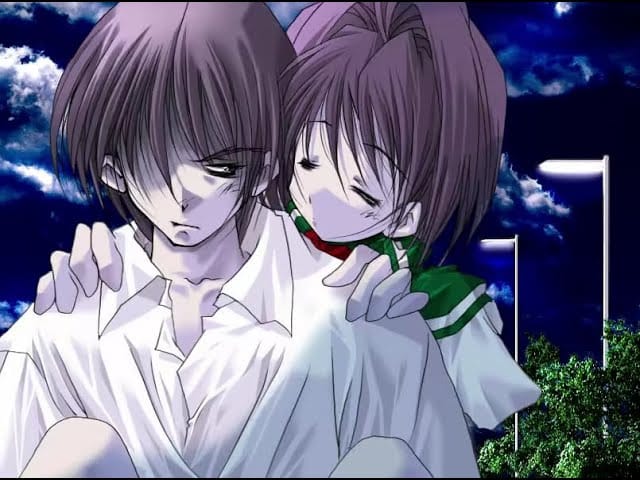
‘The world is everything that happens to be the case’
But what exactly is the case? The older I get the less confident I am in any of my assertions on the nature of reality and my ability to trust anyone else's has plummeted even further, so what is the case? Wittgenstein, to me at least, seems to believe in a more concrete world albeit one we don’t quite have the language to properly describe or access and this belief in a concrete world is where the tension between the Tractatus Logico-Philopshicus and KeroQs seminal VN Tsui no Sora first appears.
If you’re a specific kind of Internet Freak you probably have at least a passing familiarity with Tsui no Sora (1999) but for those who don’t lick powerlines the rundown is this: Tsui no Sora (TnS'99 from here forward) is the debut title from VN studio KeroQ directed by Sca-Ji who also wrote and did character designs with help from Hinomaru, Ninomii Tachiou, and Motoyon and with music by Time Bandit its a fairly short Erotic Novel Game about the approaching of the End Sky as seen by 4 different highschoolers it also acts as the first of the thematically linked End Sky trilogy which also features SubaHibi and the Tsui no Sora remake. You also might be aware of the infamous single episode 2002 anime adaptation im sure its been on an Iceberg or three. It was also woefully untranslated until Akari, Amarena, BEER CHUG 2002, Charlottear, カケラSKY, loam, otona, Phantom, ShyGuy32, and vimiani released the unbelievable Mon Panache! translation and port earlier this year!
Basics out of the way I can get back to that whole “what exactly is the case?” question I posed earlier. I don’t know, I don’t really think TnS'99 knows and I think that's part of what makes it so effective for me as not only its own piece of work but as this building block that would continue to be expanded upon over whole careers. Someone pretty cool and with decent smarts once said “if video games are about anything (and they’re about everything) they are about place.” and that's stuck with me for a lot of reasons that feel like they should be obvious if you read the sentence but here it's stuck with me because that “place” is being 19 and being into philosophy and horror and anime. TnS’99 evokes a specific feeling of being incredibly lost in the world, this intense grasping at anything and everything that could explain even a little of what's going on around you and sometimes you latch onto something even if it's flimsy or strange or dangerous. Its a game about that transition period into adulthood, the end of one stage of life and the birth of another, and “the case” and everything that happens to be that makes up “The world” is incredibly unstable and scary because no one is ready, nothing has gone as planned, and the only thing anyone is sure about is that its ending and ending far too quickly.
That's a bit bleak, TnS’99 is a rather bleak game and this might be hard to convince you of but I also found it to be an absolutely invigorating read. It's bursting with ideas and I truly don’t know if it's possible to describe what its doing in a way that doesn’t feel incredibly reductive because it's just doing so much. There's an entire sexual component that I just don’t really know what to do with, I’ve been playing with some ideas on how a handful of characters comment on Neon Genesis Evangelion, I haven’t even read all the philosophy this directly references or the years and years of work that are in direct conversation with it! Its one of the works that made my synapses light up like a Christmas tree the most this year and frankly I just want more people to read it so I can see more discussing about it! Because I don’t fully know what its getting at and I wanna talk about it with people. What happens to be the case? I don’t know, you tell me.
Seth’s book podcast the Bog Frog Book Pod | podcast covering the webfiction, Worm, Covered in Worms | bluesky
Shy
Dear Me, I Was...
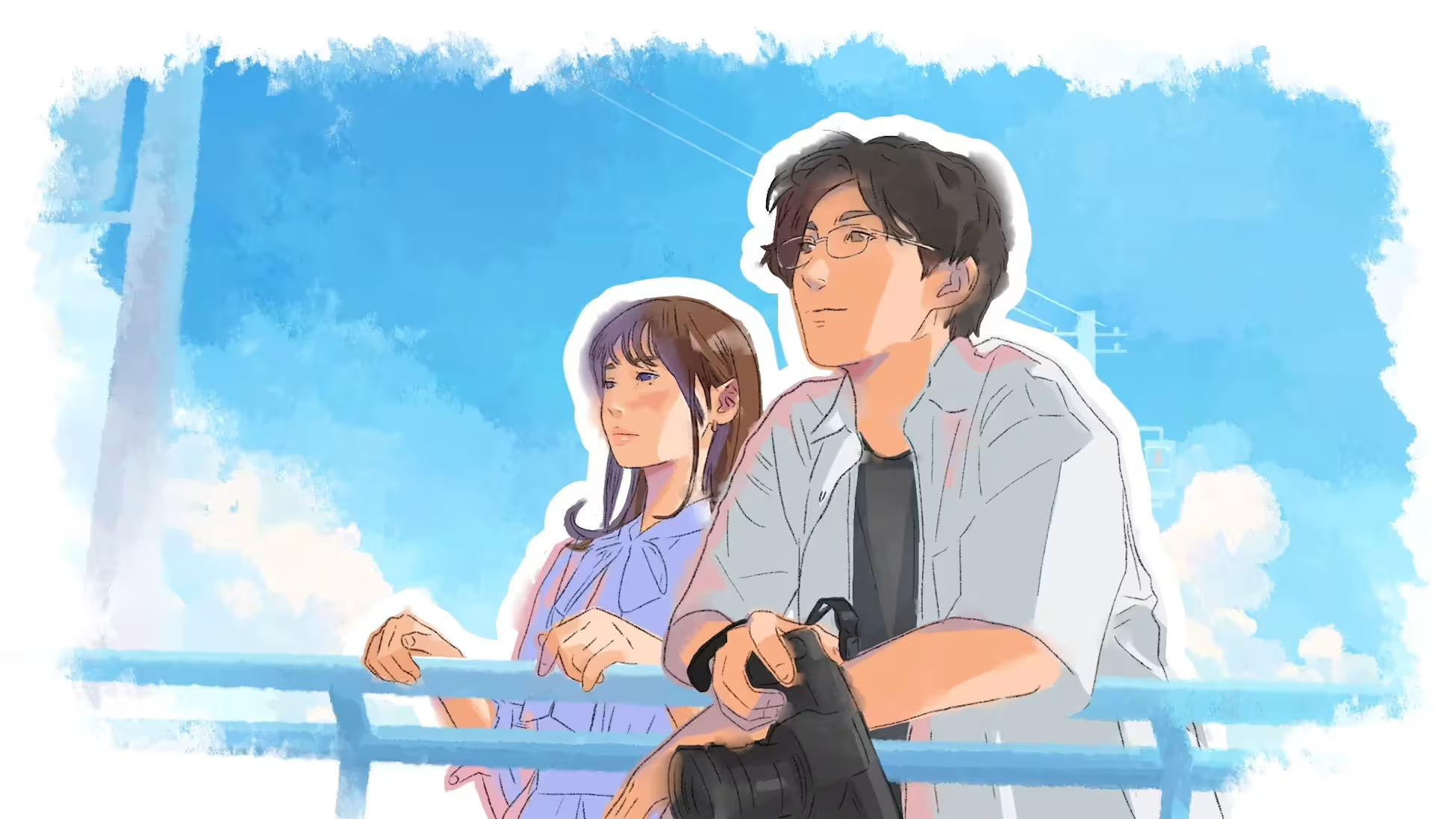
Lately, nostalgia is one of the biggest threats to my happiness. When I’m feeling mired in regret and directionless I find myself turning inward and ruminating on things that I’ve lost. Relationships that have withered away seem appealing to rekindle, even if it was best that we went our separate ways. Times long past accumulate a rosy tint as you look back from further distance, warped by the faulty telescope you’re peering through. Often, I feel nostalgic for my first experience with something I love, even if the circumstances of the moment were miserable. I continue to return to the first time I played Hotel Dusk on the Nintendo DS; it was my one respite in a tumultuous situation at home.
In my sophomore year of high school, my mother got into an accident that destroyed her car. In an instant, everything she had worked for slipped through her fingers—her job, her independence from an abusive marriage, and the home she made for the both of us. We were forced to move back in with my stepfather whom she had finally managed to escape from only a year prior. My friends, upon learning that I would be moving back to the North Carolina countryside with no internet collection, offered to send me some things to keep me busy. One particularly generous pal sent me an enamel navy DS Lite, imported from Japan, and an assortment of games. Every other month, I’d scrape together to get something new from the local game store. The mysterious noir-inspired cover of Hotel Dusk caught my attention. At the time, you could find a used copy, complete in box, for only five dollars.
A couple of years later, things got worse. My stepfather hadn’t tolerated my presence long before kicking me out of the house. I had godparents to stay with, but their place was even further into the country. The silver lining was that it was about an hour’s walk from a library, and I’d make the trek every day to use the internet until closing time. On one of those visits, I read a news article about Cing, the development studio that worked closely with Nintendo on Hotel Dusk, shuttering its doors. Consequently, their final title wouldn’t be published in North America—but it was getting a release in Europe. With the modest amount of money I had from doing odd jobs, I put in an order for my first ever import: Cing’s swan song Last Window: The Secret of Cape West.
Director and artist Taisuke Kanasaki’s character-driven storytelling shaped my tastes and inundated me with a desire for deeper storytelling. I found it compelling the way the characters in Hotel Dusk and Last Window had deep secrets, inscrutable motivations, and kept their desires close to their chest. I felt Kinship with Kanasaki, too, as his career in video games was stymied by false starts and setbacks. Following Cing’s closure, he couldn’t seem to get another project off the ground, and not for want of trying.
Fifteen years later, he’s finally returned to the medium with the textless adventure Dear me, I was…, and it’s, appropriately, a story about carrying the weight of nostalgia through a lifetime of loss. Inevitably, things you value peel away from you as time marches on. Passionate love burns bright and flames out; friends and family pass through and pass away; and you may even feel like you’ve lost a bit of yourself as your outlook on life hardens. The greatest sin of nostalgia is that focusing on the things you miss can make you blind to all the good you’ve done for yourself. Meditating on Kanasaki’s work after all this time, I’m struck by the ways his approach to storytelling has evolved—and the ways I’ve changed alongside him. It’s like reconnecting with an old friend, and we both seem to be doing a lot better.
Jai
Ikebukuro West Gate Park
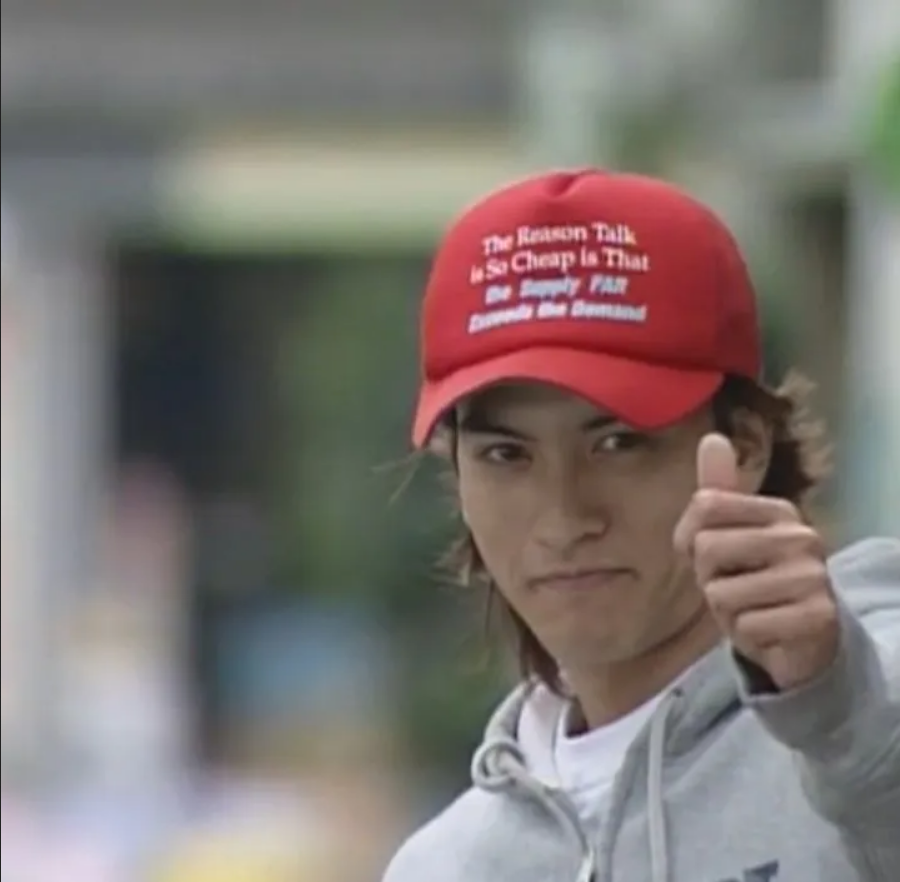
Earlier this year, I watched the Japanese television drama Ikebukuro West Gate Park (IWGP). To zoom out a little, IWGP began as a series of mystery novels (that are still going to this day!), which then became a television show, which then became a manga, which then became an anime. I have never seen anything else in this release schedule; my experience is purely with the show.
I wanted to say that up front because it makes this next statement far more impressive to me: IWGP – The TV Drama is now one of my favourite things I’ve ever seen. I’m already beginning to regret choosing to talk about IWGP because I can feel I’m not going to be able to do it justice. That’s how much I like it.
IWGP is about the 21-year-old Makoto Majima, a former delinquent who now scams people at his local bowling alley, helps his mother run her fruit shop and has supernatural levels of charisma. The whole thing takes place in the year 2000 and around the Ikebukuro area specifically, a Japanese district in Tokyo known for being a hub for entertainment and commerce. The show mainly focuses on Makoto as he constantly gets into wackier and wackier situations. But I feel describing what the show is is a much harder task. Because, really, it’s the subtext that I think draws me further and further into it.
More than anything, there is a concentrated focus on trying to recreate a specific time and place. The whole soundtrack is flooded with hip-hop, it’s a story about gang wars, delinquents, sex work, the drug trade, the Yakuza, and above all, crime. But what makes the show particularly special is the voice it has exploring all of these. As brutal as the show can get, IWGP is remarkably sympathetic. I have rarely seen Japanese entertainment (let alone one as popular as IWGP was) talk about some of the things here: there’s an episode about an immigrant trying to survive in Tokyo, another about a transman. There is a remarkable respect that makes IWGP feel unique.
From its visual direction to its characters to the locations themselves, IWGP is a show that celebrates the weirdness inside all of us. That weirdness we sometimes feel ashamed by. That weirdness that makes us who we are. It tells you to let it sing because why else bother living?
Wait, I forgot to talk about the Maiku Hama films!!
Jai’s youtube channel | film podcast, Labyrinth of Cinema | bluesky
James
Gintama
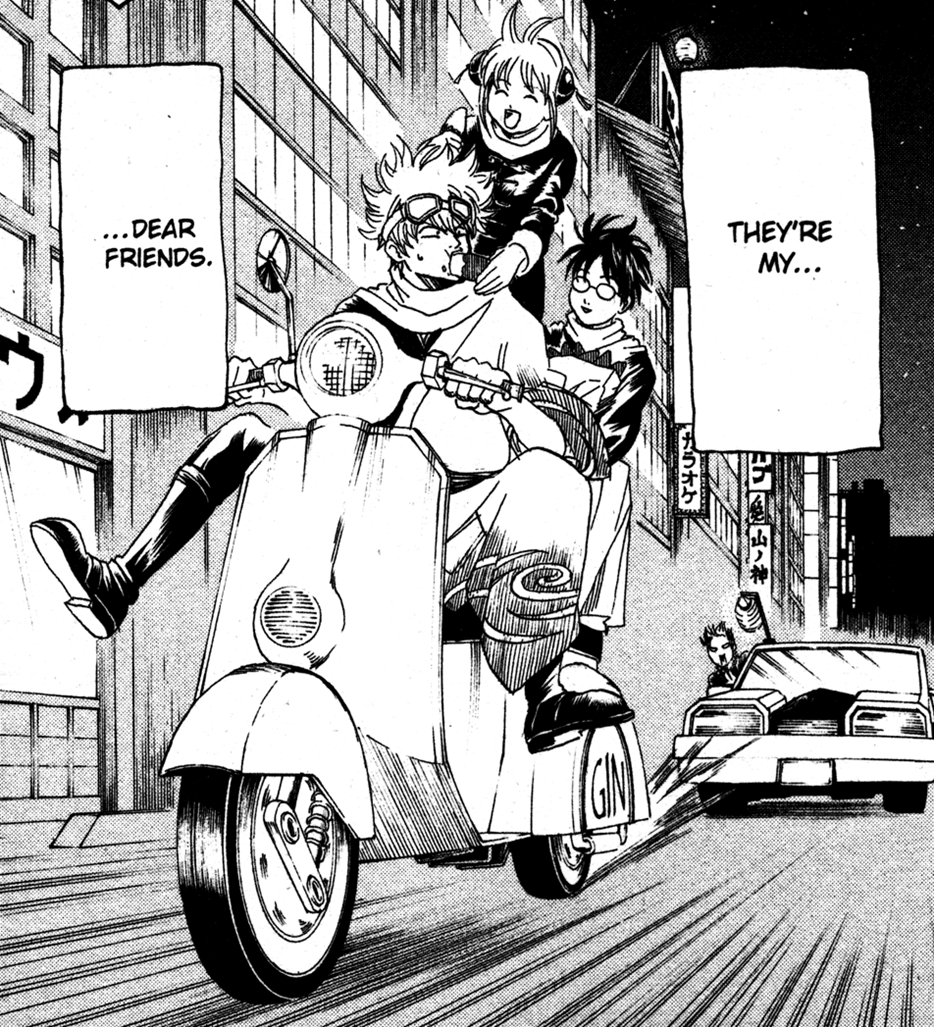
I have had a hard year. Between the realities of living in the US and intense personal turmoil 2025 has not been kind. So late this year, when things were at their worst and I felt most lost, I felt the need to fully submerge myself in a work. Something expansive, something light, and something to give me relief. I scrolled through my To Read list and found the salve I needed, Gintama. For those unaware Gintama is a story about Gintoki and his friends Shinpaichi and Kagura as they go about doing odd jobs in an Edo Period Japan that’s been colonized by Aliens. Primarily a comedy manga the chapters are often breezy one offs and other times they’re multi chapter affairs where Gintoki must do the sickest shit you’ve ever seen and save the day.
Author Hideaki Sorachi immediately proves himself a visual genius within the first few chapters. Gintoki’s design is immediately iconic and the constant Edo-ified background details show not only relentless creativity but an outstanding commitment to the bit. Every skyscraper has a pointed roof, modern cars race alongside horse drawn carriages, and neon signs cover wooden structures. As the manga goes on Sorachi only improves on his competencies, action scenes read more smoothly, gags land stronger stronger, and character designs get more creative. His comedy chops are immediately self evident as well as he fills out the cast with Looney Tunes-esque reoccurring characters. I can’t help but get giddy when I realise who the cast will be for the chapter and imagining what sort of antics will happen.
Sorachi’s character writing might actually be his greatest skill. Through the hundreds of comedic chapters that make up Gintama you get an incredibly rich picture of all the cast members. The more I read the more I hone in on Gintoki as a tragic character. A young radical with the skills to beat anyone in a fight he needs to, in a world that no longer values that skill. At one time he might’ve hoped he could change the world, if he tried hard enough and raged enough the aliens would have to retreat. When he realizes he’s lost his war however, when the Aliens fully colonize japan, he gives in. He abandons his cause and instead takes up a new one. No longer concerned with fighting the alien menace he just wants to have a good life. He wants to hang out with his friends, eat sweets, and lounge. When the time comes he’ll step up to the plate and fight, but that isn’t what he lives for anymore. He could rage forever but that’s not putting the world back to how it was. And I’m certain there’s more specifics on that, some dramatic breaking point with his allies that made him abandon his cause, but I’m not there yet and frankly I don’t need to be to know I love Gintoki and I love Gintama. Over 200 chapters in, 1/3rd of my way through the manga, I’m already certain this’ll be a comic that sticks with me. A constant source of comfort. In a hell year I wouldn’t wish on anybody, I knew I could rely on Gintoki and his friends to give me a smile and save the day, and sometimes that’s all you need.
James’s book podcast the Bog Frog Book Pod | podcast covering the webfiction, Worm, Covered in Worms | bluesky
Brandon
Various
One of my favorite ways to discover new things is by sort-of-happenstance. I like to take a chance on things I discover just out and about in the world - at record stores, through recommendations, or just out in the open air. So with that in mind my first recommendation is the album Luster by Yoshie Kashiwabara. Most of her work is pretty straight idol or ballad stuff, but this one is a way more synth oriented and has some real good sounds in it, especially toward the back half of the album. Check the tracks "Quiet Boy" and "Etranger" and you'll see what I mean. It's really not the best record on the whole, but it's *her* best record for *me.* I found this one at my favorite record store, Streetlight Records in San Jose, CA, when I asked my buddy there if they had any more cantopop records. I had found two, but I knew with that vintage there must've been more. And unfortunately there had been 50 and I'd missed them all. But what I hadn't missed was a box full of cassettes that they hadn't bothered pricing. Me and another guy a bit older than me who could read both simplified and traditional Chinese rifled through this box of maybe 200 tapes, sharing notes and recommendations. Mixed in with the Cantopop was a cache of cassettes from Japanese artists who had released their albums - officially or otherwise - in Hong Kong. This album came from that haul.
Next, I recently took a deeper dive into the work of Shinji Somai, whose Sailor Suit and Machine Gun I had really enjoyed last year. This year I watched Luminous Woman, because of an amazing post I saw on bluesky, showing a phone call between two women with an elaborate theatrical set that added so much weight and portent to the whole situation. I really liked the movie, but then I watched the behind the scenes which was basically an hour-long video of Somai treating his lead actor like dirt, berating him and slapping him in the face and things like that. So now I have to reevaluate my relationship with this guy who I was just becoming pretty hot on. Well, these things happen.
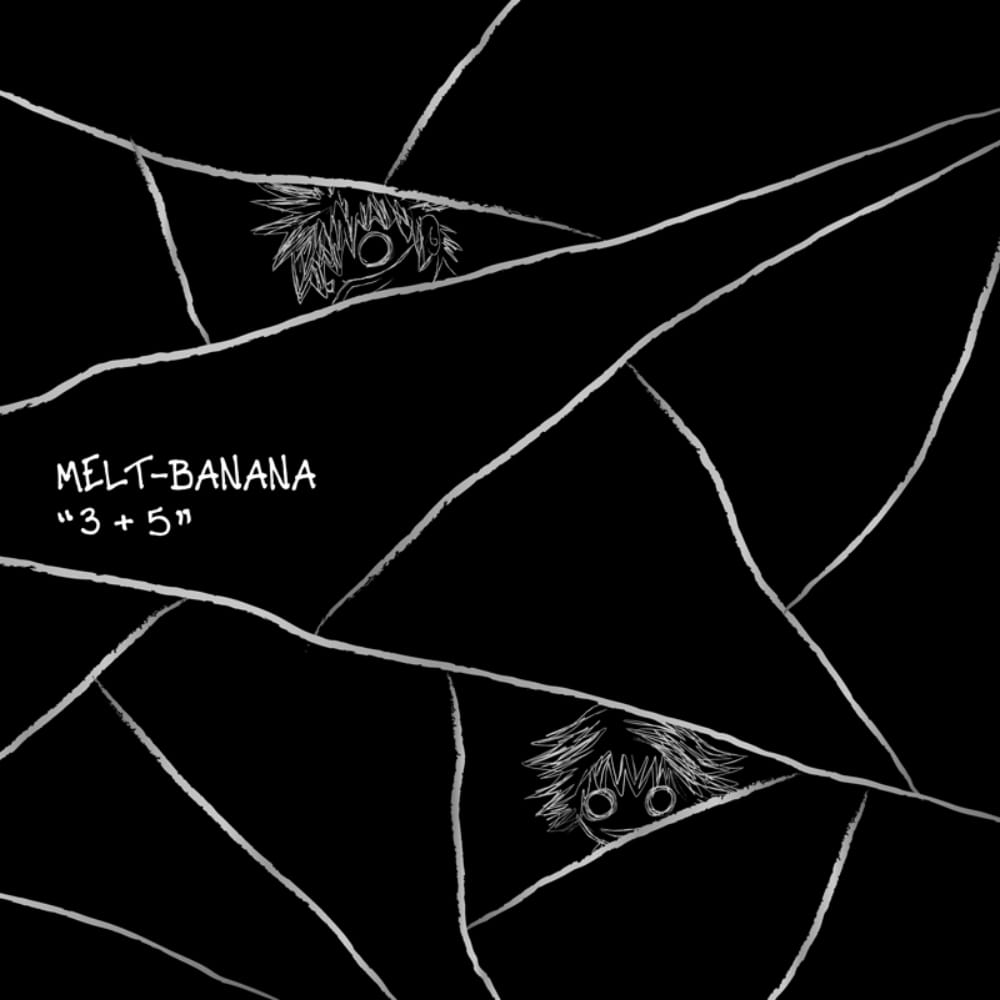
Lastly, driving around Oakland California and listening to KEXP on terrestrial radio in the car, I heard a guitar tone that sounded familiar. I was like - this kind of sounds like Melt Banana? And then the vocals kicked in and I realized whoa, it IS Melt Banana, but like a total reinvention. For the unfamiliar, Melt Banana is a sort of experimental alt rock group that used to be three people, now two, who have almost a grindcore sensibility to their style. Or at least they did in the mid 90s when I first started listening to them. The version of this band I heard on the radio was mature, super melodic, and yet even more Melt Banana than ever before. It almost brought tears to my eyes because I was weirdly proud of them. I don't know these people! But they've changed and matured so much, and are showing that at age 50-whatever, they still have new ideas, and are maybe better than ever. It was just touching to me to know that a band I listened to in highschool and who everyone thought was "so crazy" not only haven't lost it, they've found more of it. So that album is called 3+5 - check out the song Scar and maybe you'll have a small shade of the feeling I had.
Brandon's new game at Necrosoft, Demonschool | game podcast, Insert Credit | bluesky
Chloe
Ikebukuro West Gate Park
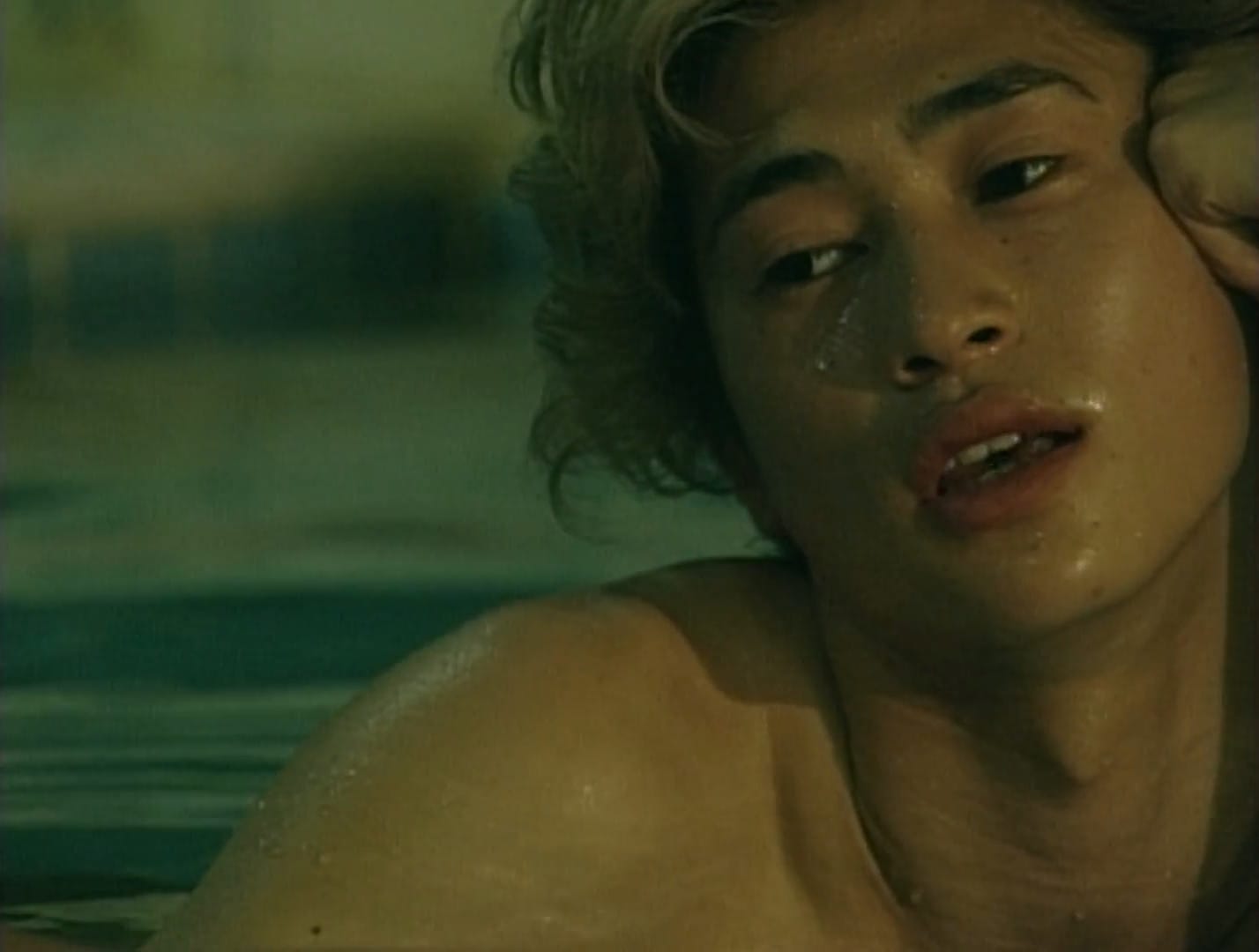
It’s with some shame that I admit that after years of proclaiming Yukihiko Tsutsumi as the king of Japanese television with works like Keizoku and SPEC, I only discovered Ikebukuro West Gate Park (IGWP) in February of this year, listed in the annals of some barely functioning drama website.
However, it was this late-coming that also allowed me to experience one of my greatest joy of the year: how, just 5 minutes into the first episode, I was tripping over myself to be able to message Baxter and get him onto this show as soon as humanly possible.
Based on a series of novels, IGWP is the tale of Ikebukuro’s finest problem-solver, Makoto Majima. A serially broke, basically unemployed, pathetically cool 20 year old who (usually unwilling) ends up taking on the concerns and oddjobs of the locals of Ikebukuro to solve whatever mundane or extraordinary happenings ail them, running afoul of the criminal element and police of Ikebukuro in equal measure. Also Ken Watanabe is here and giving a career best performance. For an easy comparison, I cannot understate how much Durarara is just IGWP but with a supernatural twist and a YA bend.
IGWP is also, to attempt to explain its merits, everything.
A maximalist masterpiece with more style in 1 scene than other series can manage with an entire season, all overexposed neon-lighting and 2000s punk fashion. The living representation of a city and a culture in one moment of time, captured so strongly you can feel its heart beating through your screen. And, somehow, a shockingly profound and moving cry for the power of community and multiculturalism in Japan.
What starts with a two-part mystery about a serial killer coming to Ikebukuro soon turns into an episodic odyssey involving Makoto’s ‘problem-solving’ really being about affirming a different marginalized community’s place in Ikebukuro each episode. The homeless, the disabled, lonely victims of pyramid schemes, those with no choice but to end up within the criminal world, undocumented immigrants, the transgender community!
Now, is all of this representation in the year 2000 perfect? You better believe it’s not! But its imperfection becomes its own perfect vessel. The reminder of how your community and your people aren’t always getting it right but are always behind you all the same. A true and favourite kind of anarchist, punk work: the kind that reminds you how to be kind and empathetic.
It's also not just my choice for this article because it may be the perfect piece of television, but because of just how much it affected the rest of my year. How it made me think about my city for the first time, in a place I’ve lived in for 3 years.
Brisbane, Australia in 2025 is about as far a cry from Ikebukuro in 2000 as you can get – a brutalist capital city who’s each suburb is a showcase of a different way in which gentrification is an acid that eats a people and place. But IGWP also knew this change was coming for its city too, and who’s full-bodied cry was to remember that people and place can survive this. So I went looking for the parts where it still lived in mine.
Skate parks and punk shows in art galleries after hours, parties in abandoned/century old-houses with caved in ceilings, finding that one strip of Chinese restaurants open until 4am. New friends and some of the best moments I shared this year are all because of what the show in which our main character constantly goes bowling to get his way out of debt stirred in me.
池袋最高!
Chloe’s comic podcast Tales From the Stack | film podcast Reel Roulette | bluesky
Wes
Abunai Deka
I started 2025 by experiencing a minor existential crisis triggered by a blue jacket. Or maybe it's purple—all that mattered in the moment, as I watched Matamata Abunai Deka on January 1st, was that my mental catalog of The Coolest That Guys Have Ever Looked was suddenly in shambles. I thought I was on pretty solid ground, but suddenly this B-movie spin-off of a comedy cop show had come along, and suddenly I had a new contender for #1. How the hell did this happen?
About six months earlier I'd been walking through the underground labyrinth of Shibuya station, and the week I was in Tokyo just happened to coincide with an advertising blitz for a movie called Abudeka Is Back. Lines of digital billboards flashed an eye-catching red poster with two aging stars, now in their 70s, nonetheless swagged out in suits and sunglasses. I knew nothing about it, but later I saw a promotional clip show celebrating the history behind Abunai Deka (Dangerous Cops in English) with scenes from older movies stretching back to the 1980s. I didn't find much to read on the English internet about it beyond the basics: Cop show turned movie series, with, somehow, eight entries over the last 40 years. I don't think any of them ever released outside Japan. I filed the name away until work happened to take me back to Japan in December, and there it was on the EVA Air flight, with subtitles! Entertainment sorted.
Slight problem with Abudeka Is Back: it sucks. Broad, tropey, playing-the-hits stuff with a couple guys who can't exactly do nail-biting stunts in their 70s. But Hiroshi Tachi and Kyohei Shibata still had a winning chemistry; it was clear they'd spent much of their lives, at this point, inhabiting these characters, and that was charming even as the movie dragged from one predictable scene to the next. I both hated it and had to see more.
A year later I've watched the first three Dangerous Cops films, tracked down a vinyl album of one of the soundtracks, tried to talk Baxter into working on English subtitles for the later films that seemingly have none (baxter butt in: i don't NOT want to, subbing movies just requires a long recharge period lol), and had that wee crisis. None of the movies are great, but they benefit tremendously from being shot in '80s Japan—the fashion is fabulous, the bubble-era clubs resplendent, the hair otherworldly, the city pop at the peak of its power. And in the second one, Shibata wears a sequence of suits so cool I could not stop thinking about each look for literally months.
Robert Redford & Paul Newman, Steve McQueen, Brad Pitt, Toshiro Mifune—in a just universe Kyohei Shibata would be on the list of all-time film fashion icons with the rest of them. I can only assume he's not because far too few people have seen Abunai Deka. That discovery left me shook. How much more staggering cool is out there that I don't even have an inkling exists? Will I manage to find it before I die? Could I somehow pull off a purple suit jacket? I'm scared of the answer to all those questions... but as soon as I can get ahold of English subs for 1996's Abunai Deka Returns, I know I'll be rewarded with some peak '90s style.
Wes's newsletter on video game emulation, Read Only Memo | bluesky
Eveline
Embodiment of Scarlet Devil
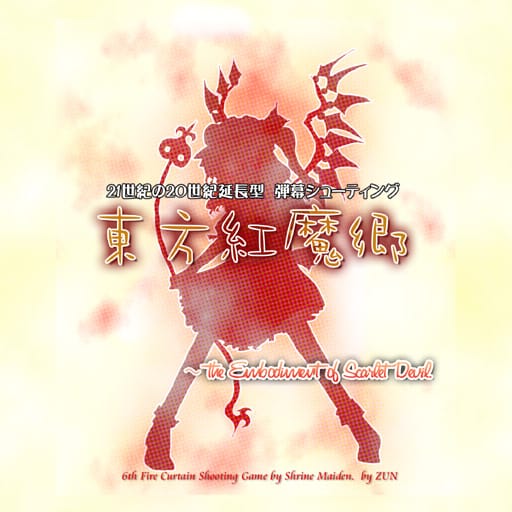
I come to Touhou as an outsider to its world, disengaged with fandom culture at large and having no connection to doujin circles. I have never played a bullet hell game, or really anything significantly challenging. I say this because I want to emphasize: if I can fall in love with it, then you can too. Playing Embodiment of Scarlet Devil, the round-faced, soft-skinned illustrations of the characters activate a nostalgia that looms over the entire experience of the game — this is a world of wide-eyed innocence, of the good-hearted Reimu and Marisa against a string of uncomplicated villains. It’s painted in bright colors, with flowing dresses and abstract violence with no consequences. Bullets sprawl out into dazzling floral patterns, a bit like a laser light show that you have to fight your way through, a sober form of psychedelia.
The actual experience of playing the game is about running into walls and crawling your way over them. The fourth stage, set in a library overseen by Patchouli Knowledge, is an abrupt increase in difficulty; the bullets come faster, covering more of the screen. There’s a section with books that spawn intersecting rings of green bullets, and you aren’t going to be able to defeat the enemies to slow it down like you would for encounters before this. The boss fight against Patchouli brings ambiguous hitboxes, with large bubble projectiles that you can only deal with by trial and error letting you feel your way through them. Her lasers circle around her until you’re shoved into a corner, your field of movement decimated as things keep coming at you. And the subsequent levels just get harder. Stage five has an extraordinary density of bullets, as well as knife projectiles with really unwieldy hitboxes in the boss fight against Sakuya, and stage six brings with it an endurance test of a finale.
There was a point where it really felt like I would never be able to beat the game, at the very least not in the single credit required to unlock the extra stage, but after a month of more-or-less daily practice, of understanding more and more how the game works and where to anticipate that I’ll need to use a bomb, I got a lot of the walls I’d run into down so that I could reliably get through them without any issues. And this experience was remarkably rewarding — not in the kind of masochistic, athletic sense of improvement that people often talk about game difficulty in, but as a form of meditation. Challenging yourself in this way demands that you understand the game’s mechanics and break out of the passive engagement with art that consumer culture demands of us. It’s a challenge in the same way that a Béla Tarr film is; you have to spend prolonged periods sitting with an absent landscape, letting your own tension and frustration be the canvas, not the screen itself.
I have, in truth, still not been able to beat the extra stage, which expands on the main game with pure bravado. It may be years before I do complete it, but the game is always on my mind. And that’s something that the STG genre offers that is genuinely new to me; these are games which you aren’t supposed to “finish” in the way you do with more popular narrative games, defined by progression and completion. You don’t beat a game and move on, and you don’t keep attached to a stream of new content. This is art that you’re supposed to live with, a complete object with infinite depth. The content is linear, but the experience is a series of loops back into its beginning, new avenues of thought branching off from the same design. This is the kind of thing that’s only possible in true independent art, where its creation comes from the passion and fixations of a single author. It may be fading now, as Touhou creator ZUN embraces AI-generated backgrounds for his newest efforts, and niches like this one struggle for visibility in the same corporate platforms as everything else — but as long as people have souls, art will too.
Eveline's bluesky
Have thoughts about anything covered this week? Got a recommendation you’re dying to share? Want to let the world in on your own favorite discoveries of the year? Leave a comment below!!